
My role
Creative Director & Designer
Skills
Art Direction, Brand Design, Graphic Design, 3D Modelling, Avatar Design, Video Editing, 360° Content Creation, Motion Graphics, Interaction Design, Product Design (UX/UI), User Research, Marketing Design
Tools
Adobe CC (Illustrator, Photoshop, InDesign, After Effects, XD, Muse), Unity, Blender, Maya, Mixamo, Ricoh Theta
Collaborators
CEO, CTO, Frontend & Backend Engineers, 3D Artist
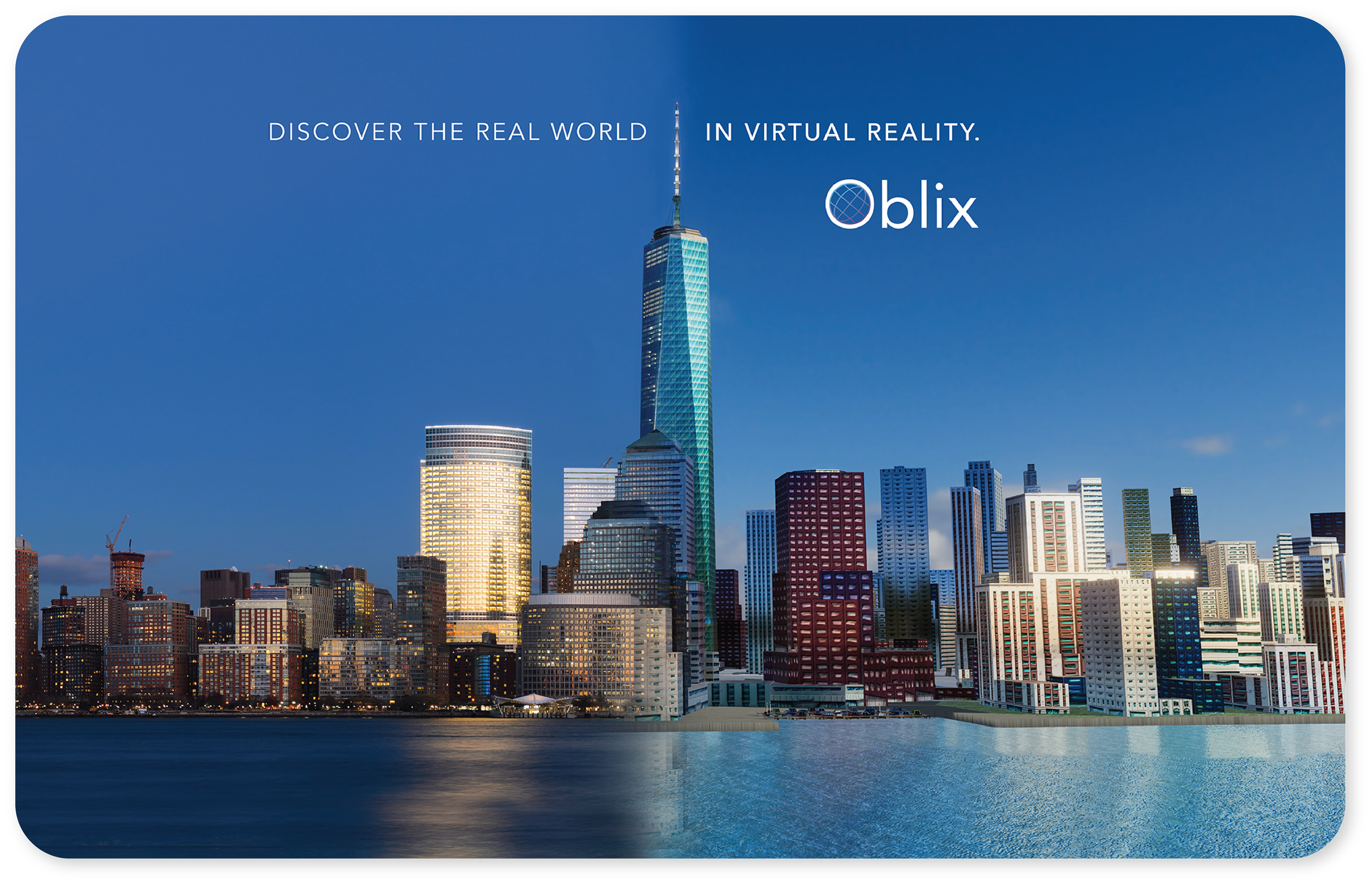
Oblix VR is a pioneering startup that has created a social platform for Virtual Reality (VR). Designed for those seeking immersive engagement, Oblix VR allows users to explore and interact with the virtual earth, leveraging user-generated 360° media that is geo-tagged to real-world landmarks and addresses. Through Oblix VR's web portal and mobile app, users can upload their own 360° photos and videos as well as view others. In addition to engaging with content, and taking virtual tours of museums and landmarks, with the Gear VR app, they can participate in multiplayer experiences, live events, and geo-themed games.
By merging social interaction, real-world exploration, and gamification, Oblix VR aims to provide an inclusive and accessible platform where users can transcend physical boundaries and engage more deeply with their surroundings in the virtual realm.
________________________________________
1
definition of problem
⥥

Isolation
Existing VR applications often impose a sense of isolation on users, limiting the social and interactive aspects that make experiences truly captivating. Users felt like passive spectators in someone else's virtual environment rather than active participants in shaping their own experiences.

Affordability
While the importance of exploring new places and cultures is widely acknowledged, the expenses involved in physical travel can be prohibitive for many individuals.
________________________________________
2
Oblix 1.0
⥥
To address the identified problems and cater to users' desire for social interaction and real-world exploration, Oblix VR introduced its initial product, Oblix 1.0. This version of the platform offered a range of features and product platforms designed to enhance user engagement and provide a more immersive VR experience.
2.1 Platforms
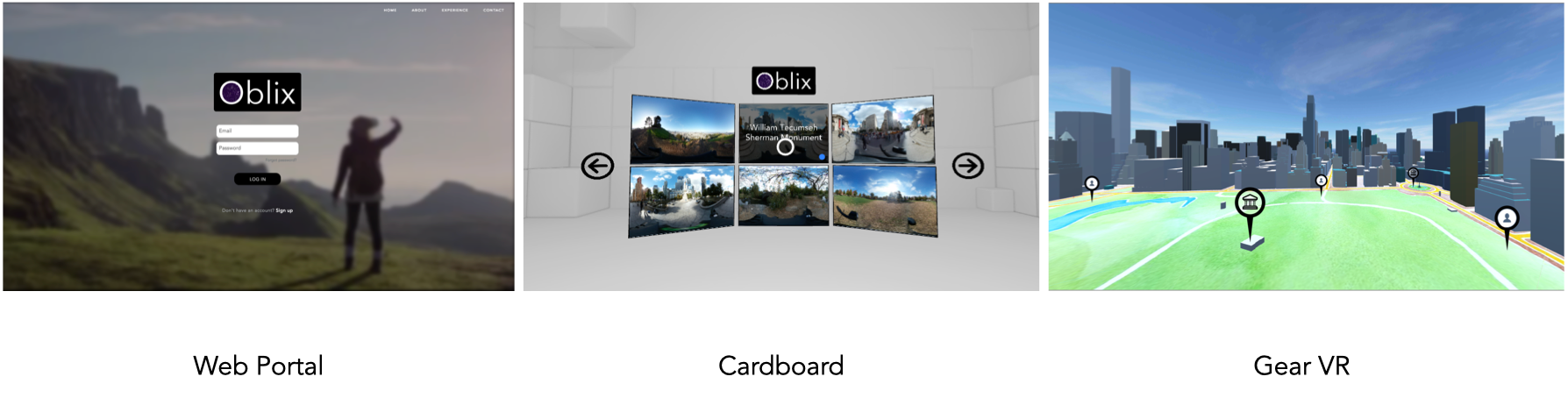
Oblix 1.0 consisted of a web portal, a mobile app, and a Gear VR app, each tailored to different user preferences and accessibility levels. The web portal allowed users to upload their own 360° photos and videos, which could be geo-tagged to specific landmarks or addresses. This user-generated content created a rich and diverse library of virtual experiences, much like a Yelp for VR. In addition, businesses had dedicated pages to promote themselves, allowing users to add content and engage with their offerings.
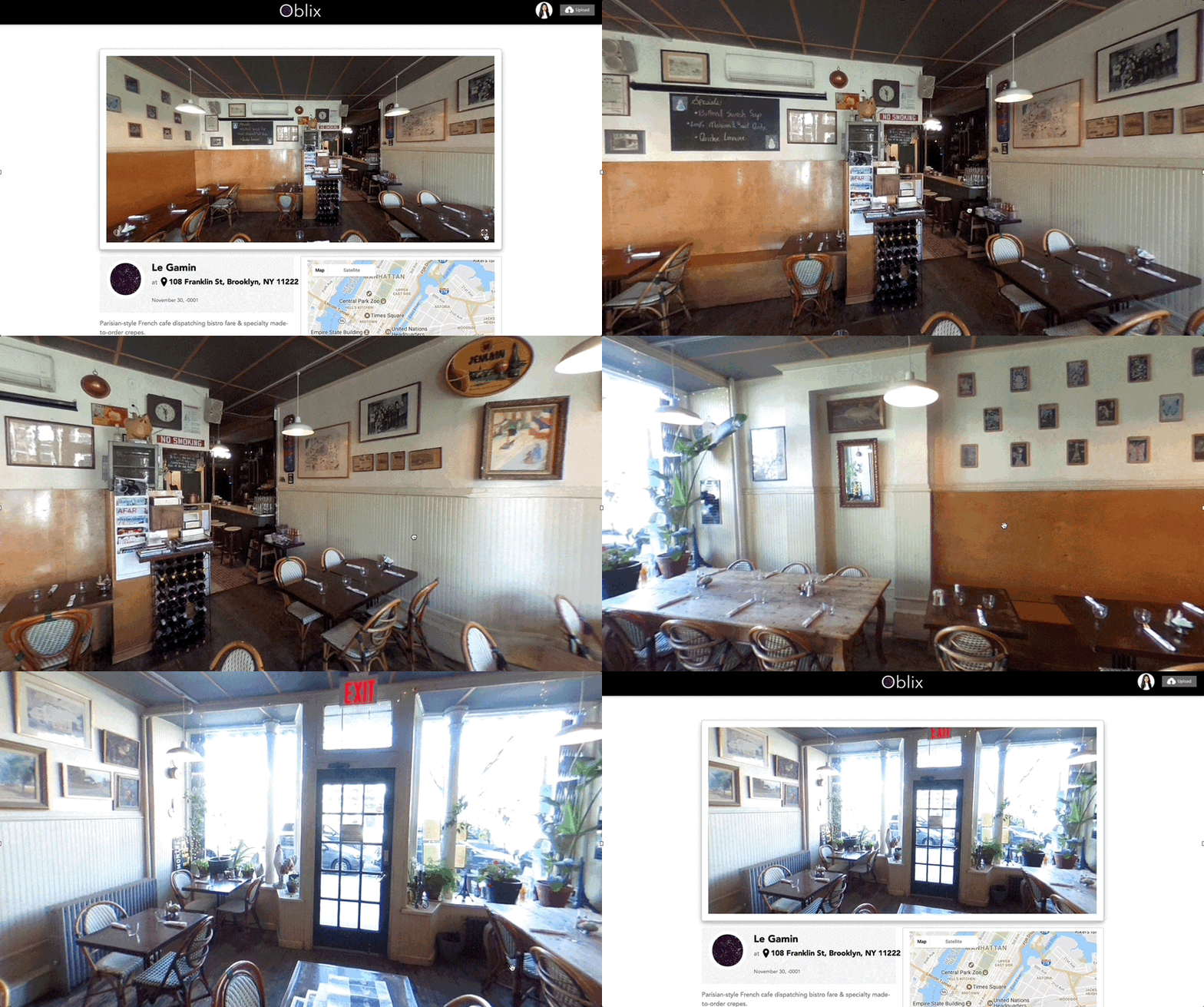
Immersive mode
Preview a 360° photo in an immersive way, even through the web portal or mobile app, by using a cardboard headset.
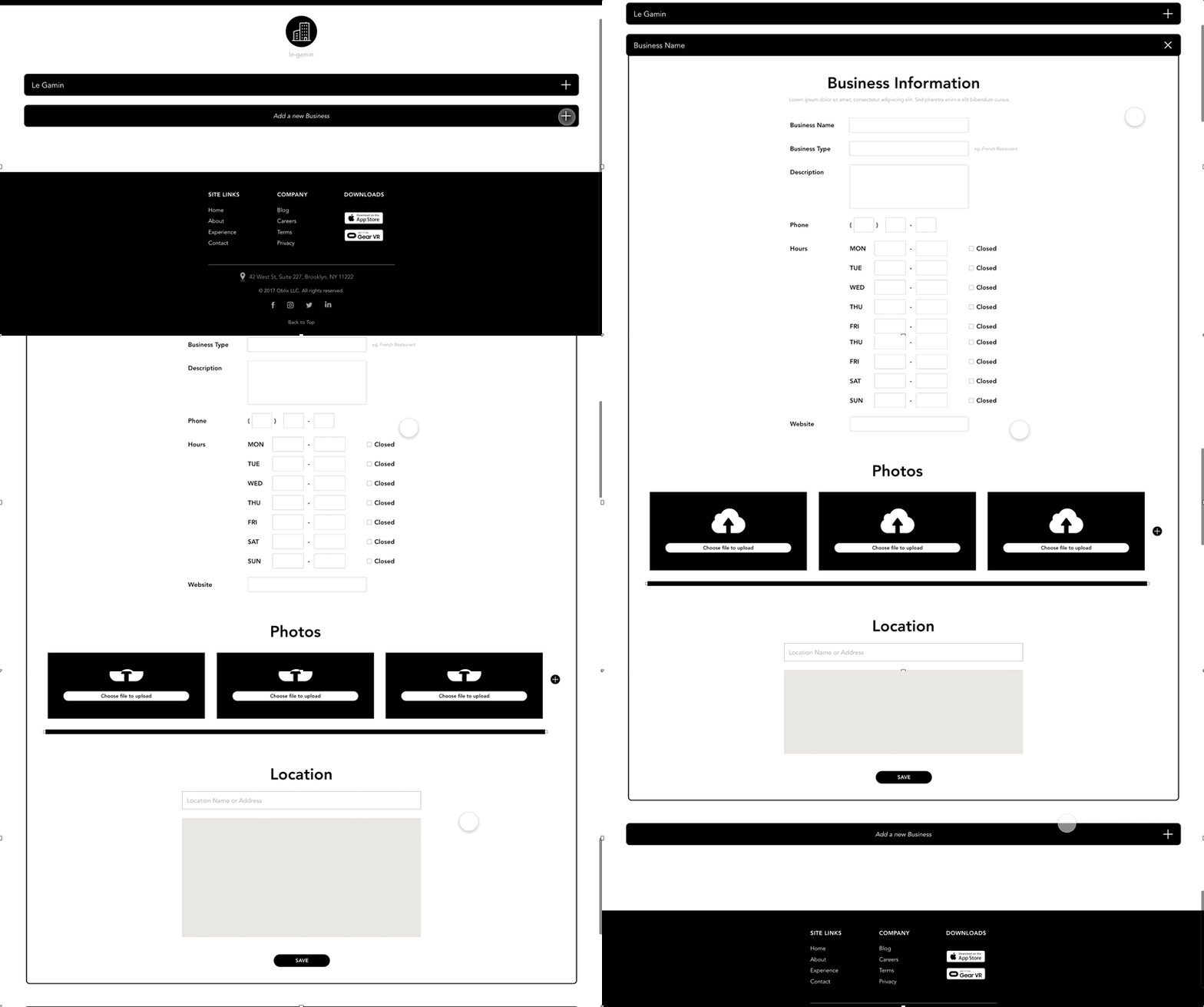
Business page
Businesses can create an official page on the platform, which can be accessed through a pin. They have the ability to upload their own content and allow users to do the same.
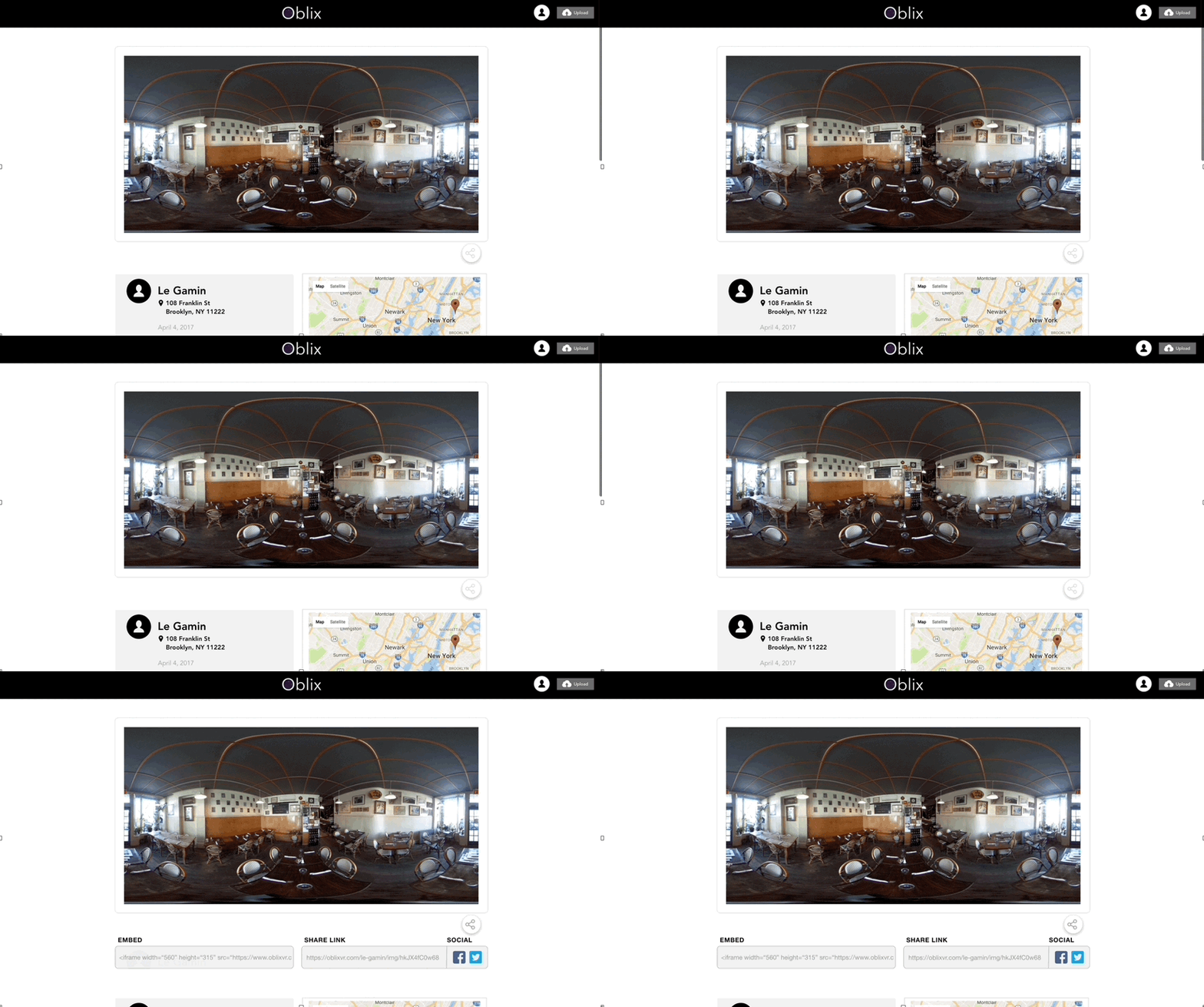
Share
Users have the ability to share the media directly on their social media platforms, which serves as a promotional tool for Oblix. They can also like and leave comments on the media page.
The mobile app provided a convenient and accessible way for users to experience Oblix VR even without owning a VR headset. By utilizing a cardboard VR setup, users could immerse themselves in the platform and explore the user-generated content in a more engaging manner. This mobile accessibility widened the reach of Oblix VR, making it available to a larger user base.
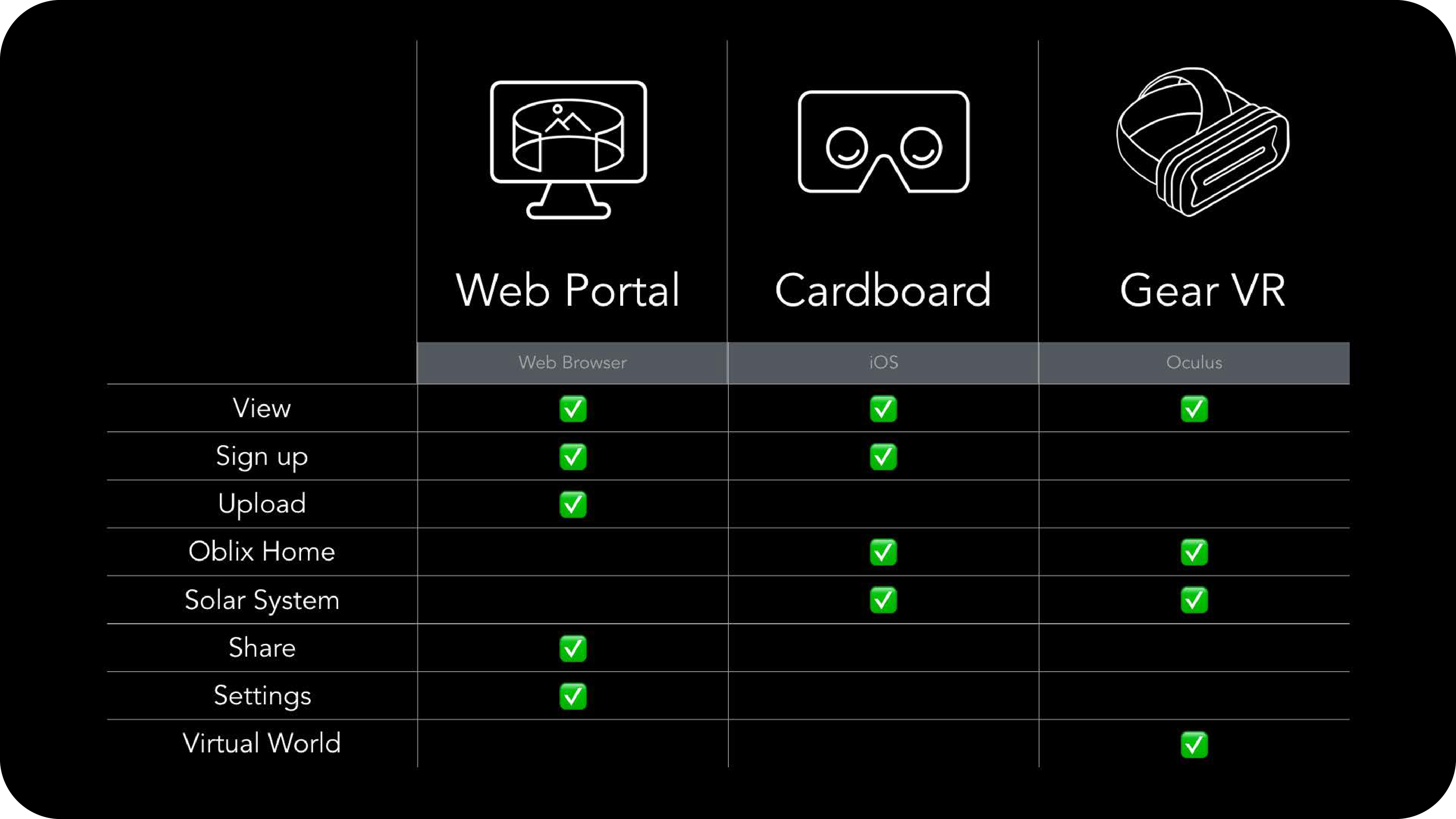
The Gear VR app is our core product. This app leveraged the capabilities of high-end VR headsets, offering users the utmost immersion and realism. Through the Gear VR app, users could dive into the virtual world of Oblix VR and navigate through the user-generated content with a heightened sense of presence and interactivity.
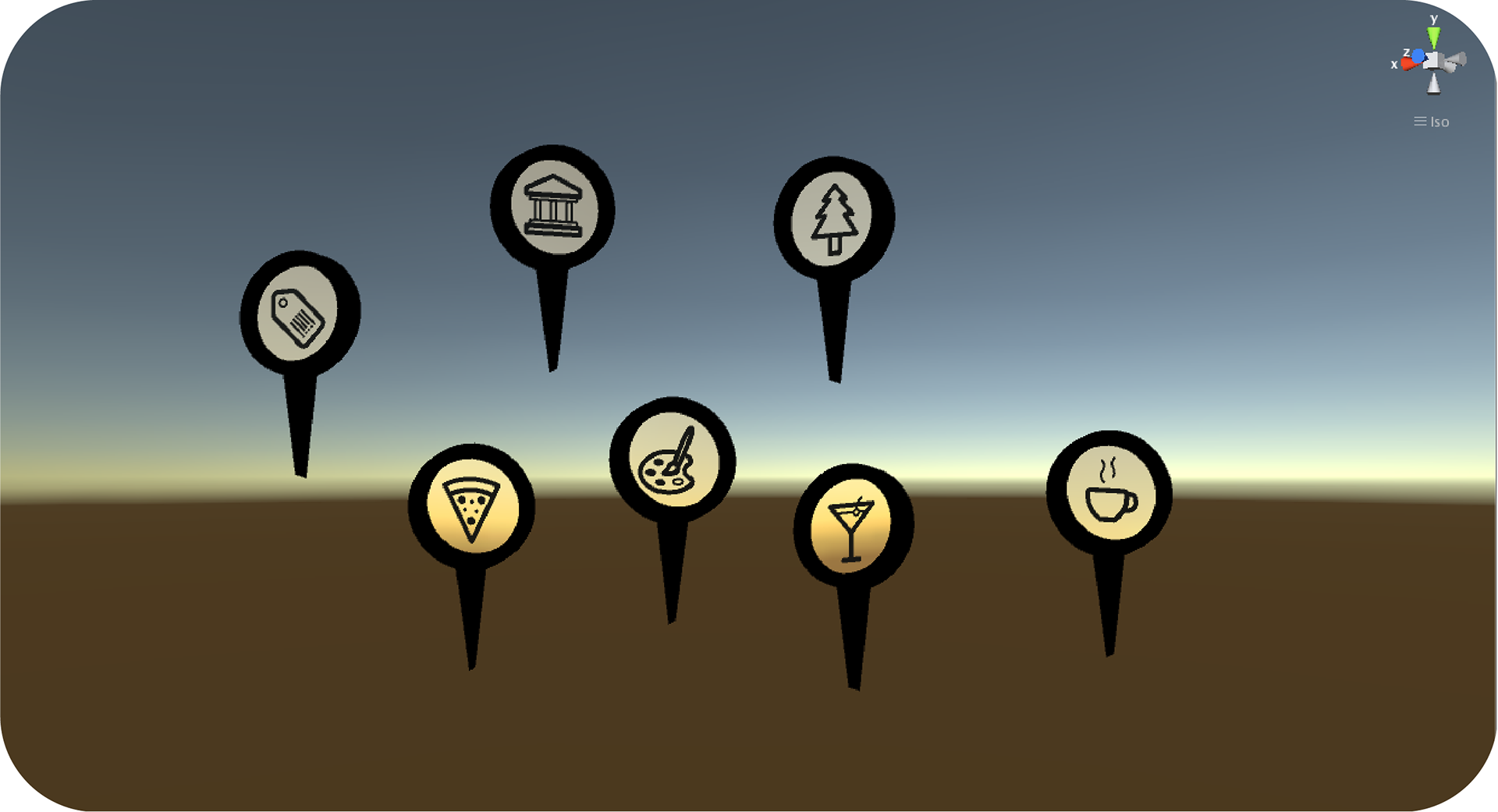
Iconography for location categories pin prototyped in Unity
2.2 Feature: Virtual Tour
Oblix 1.0 also included virtual tours of museums and landmarks, allowing users to explore iconic cultural sites and gain insights into historical artifacts and artworks. These virtual tours aimed to provide educational and enriching experiences within the VR platform, further enhancing the real-world exploration aspect of Oblix VR.
The Rubin Museum of Art
New York City
New York City
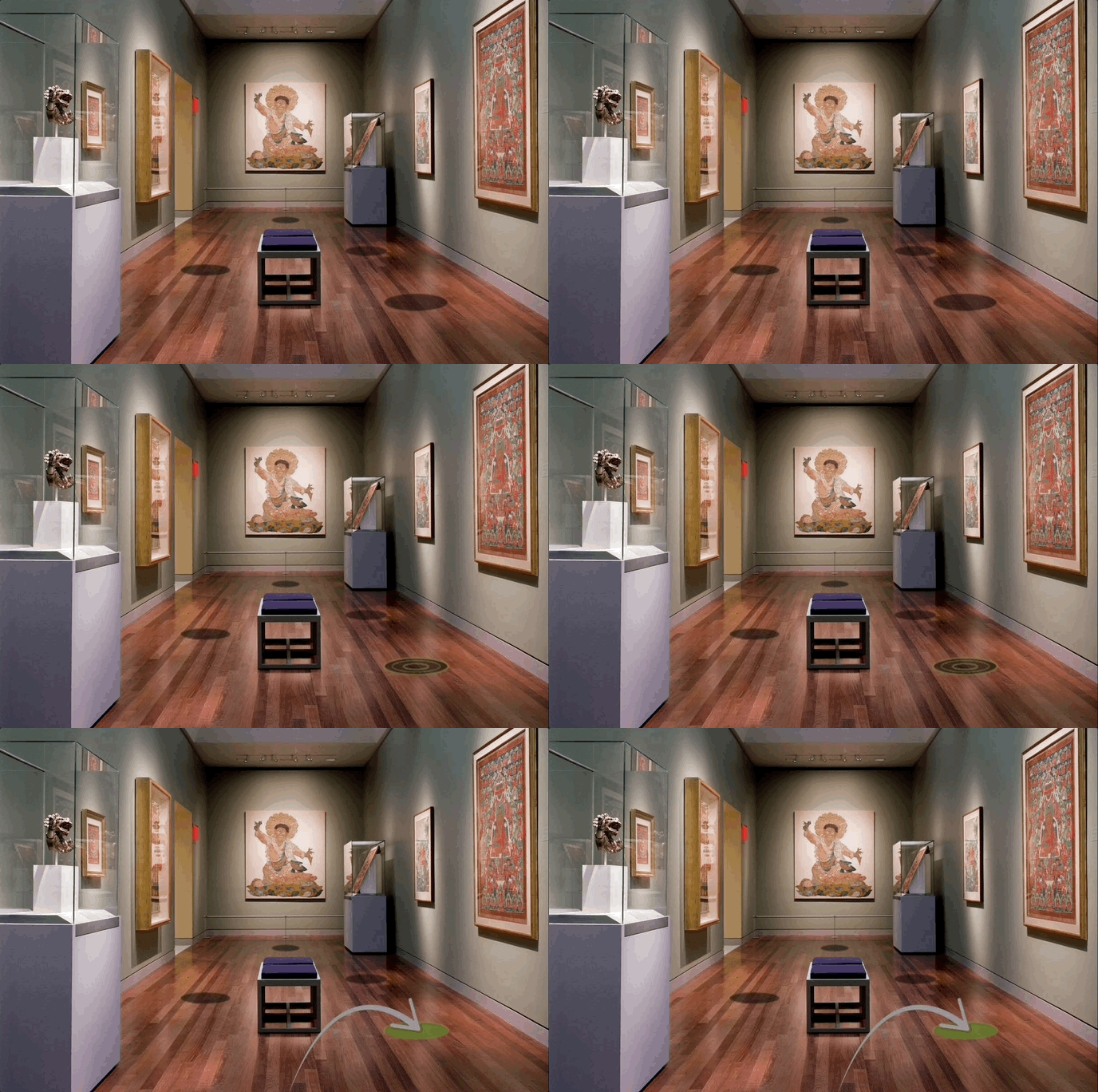
Movement
Visitors navigate through the museum by moving from one point to another. The points are subtly marked on the ground and when a user's gaze falls upon them, a "hover" effect is triggered, allowing the user to decide whether or not to proceed with the transition.
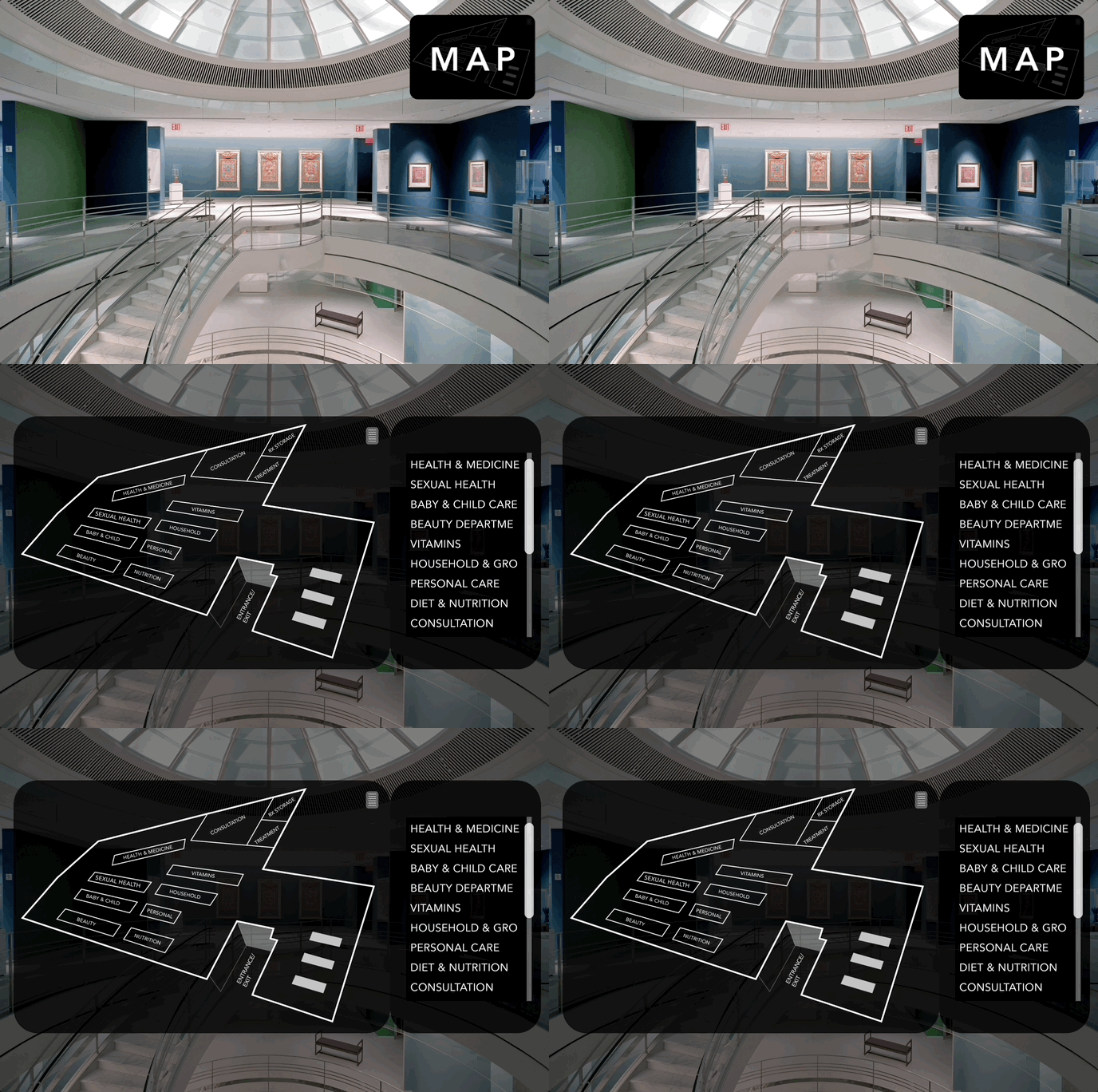
Navigation
At any point during your visit to the museum, a map is readily available for easy navigation and quick access to different areas or floors.

Exhibition label
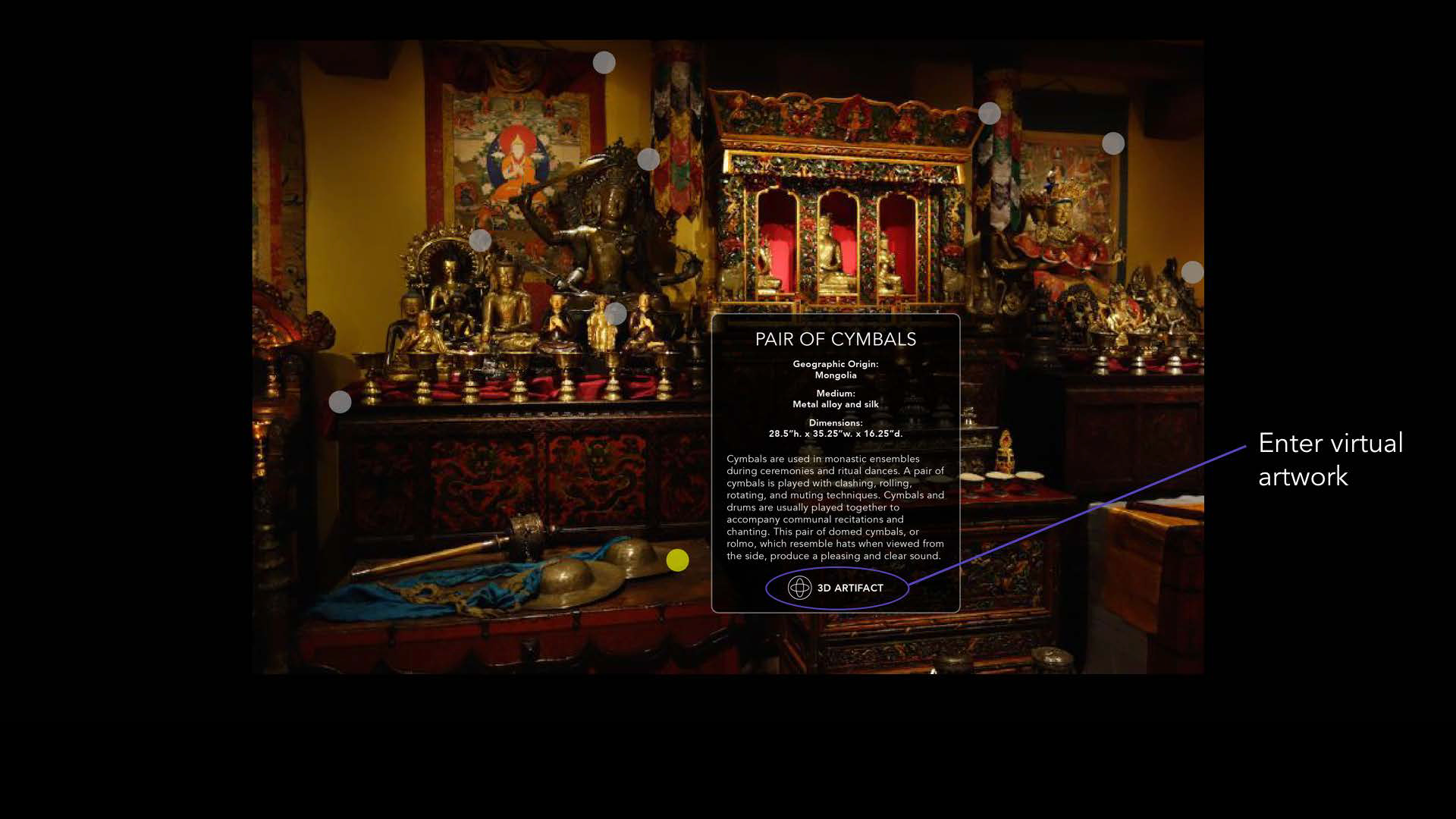
Near the objects, an information icon is displayed to indicate the availability of information regarding the surrounding artifacts. By selecting an object, users can acquire more knowledge about it, similar to reading description panels in a real-life museum.
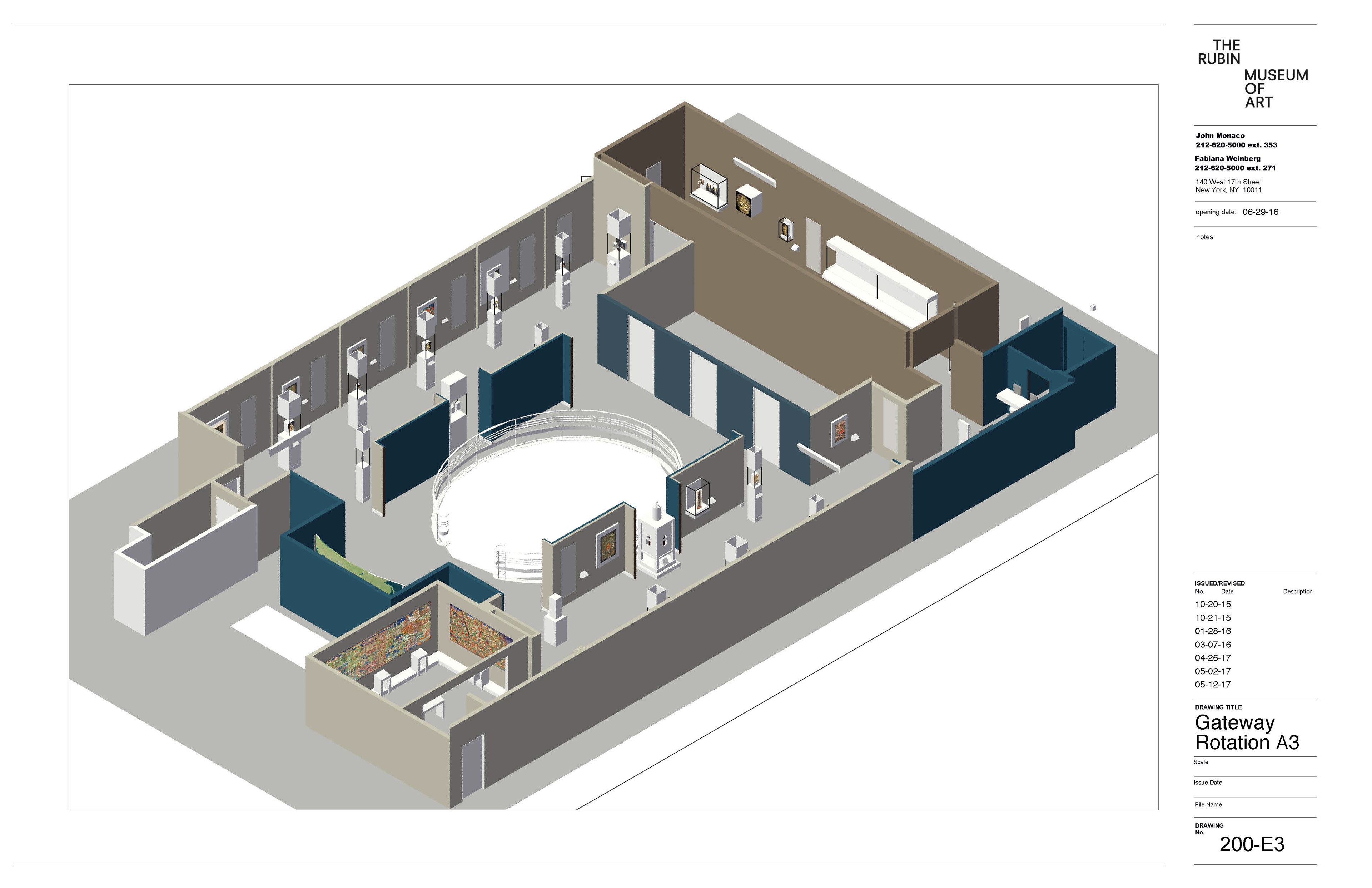
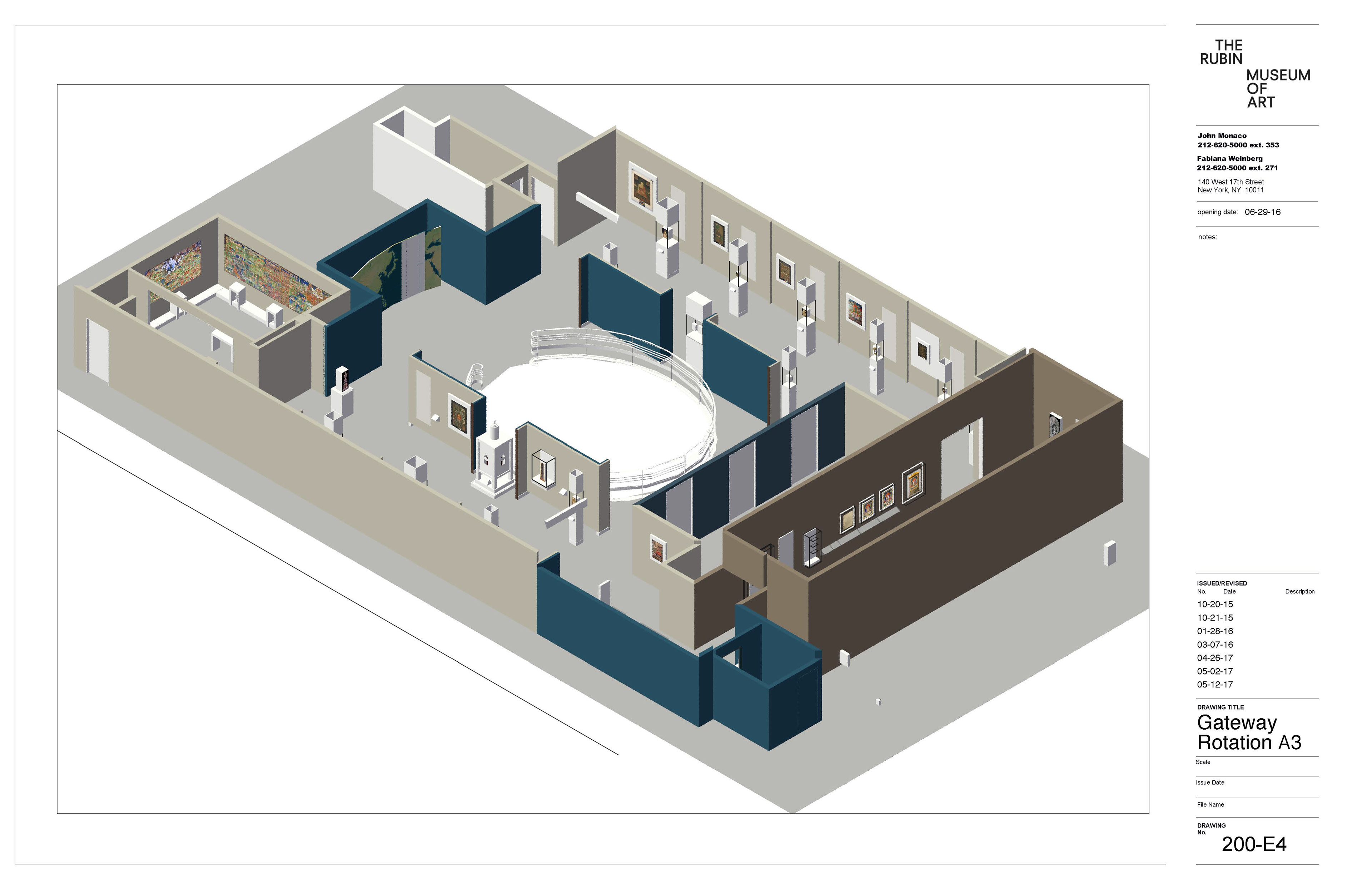
To create the immersive paths in the virtual tours, we employ a process that involves capturing a series of 360° photos from within the museum and integrating them into the Oblix VR app. These carefully taken photos allow users to navigate through the museum and experience a seamless transition between different areas and exhibits. By strategically placing these photos within the app, we recreate the feeling of physically moving through the museum, offering users a realistic and immersive journey. This approach ensures that users can explore the museum's diverse spaces, observe exhibits up close, and gain a comprehensive understanding of the museum's layout, all within the immersive virtual environment of Oblix VR.
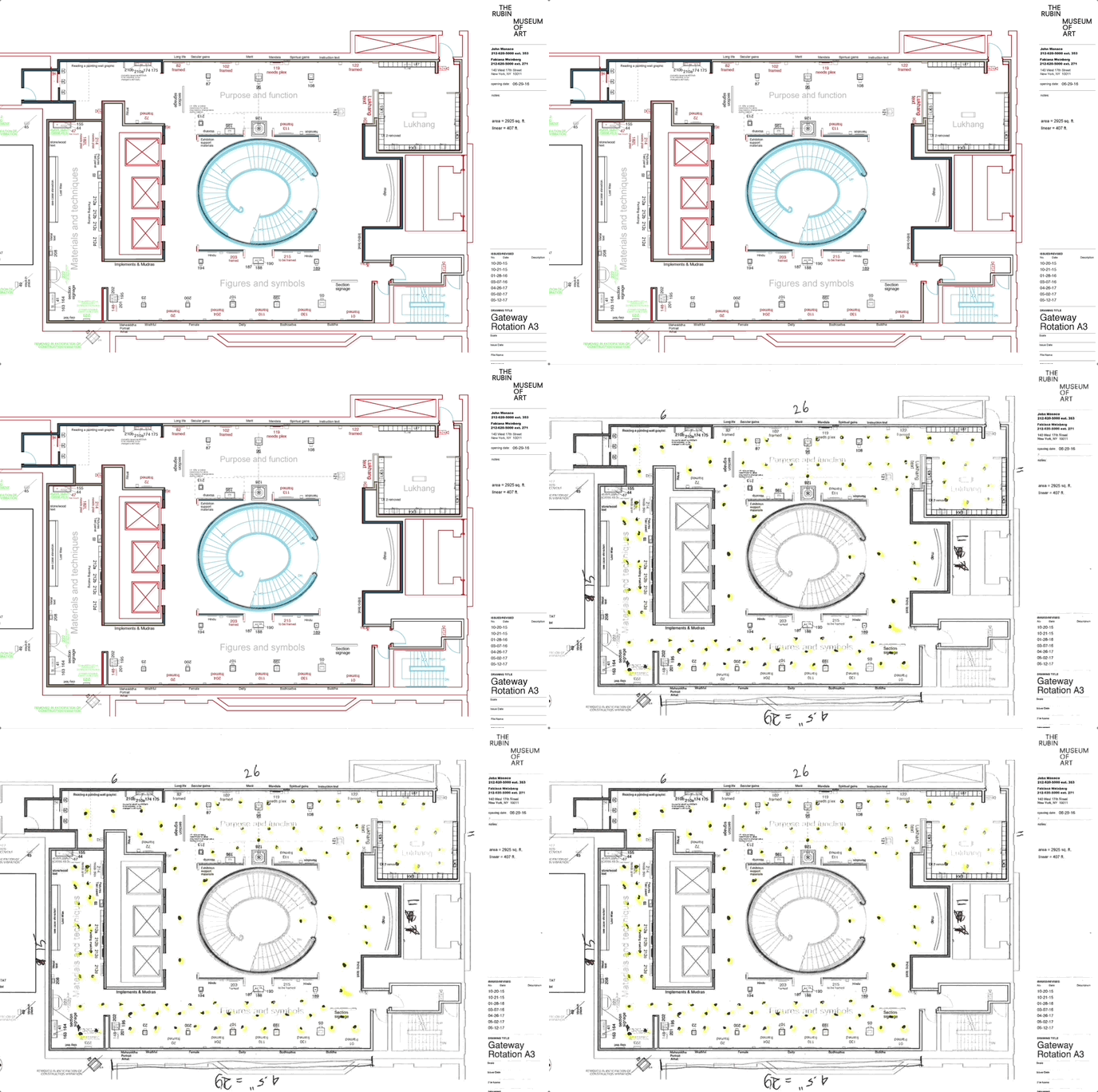
The Rubin Museum floor plan and content production map
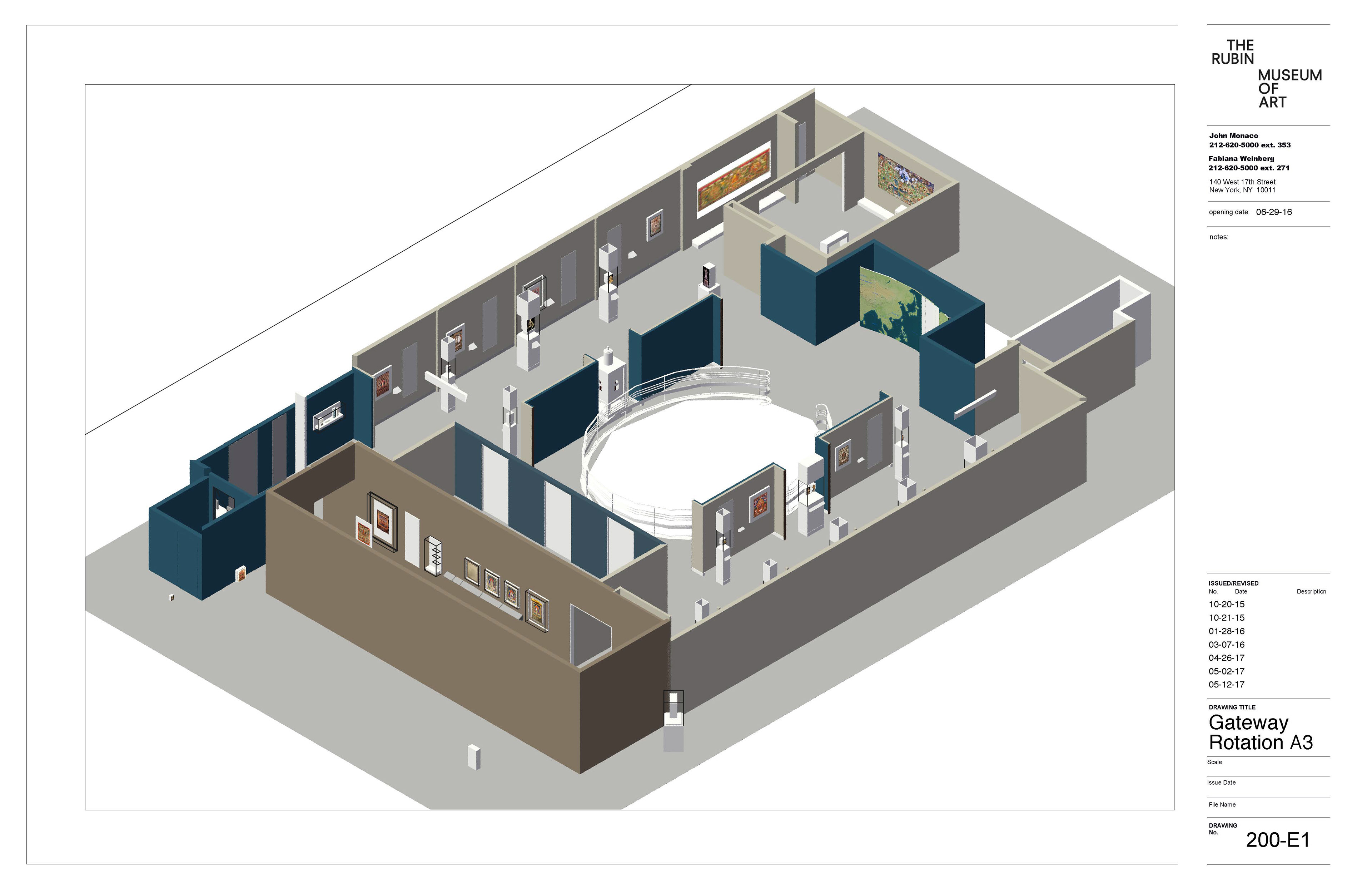
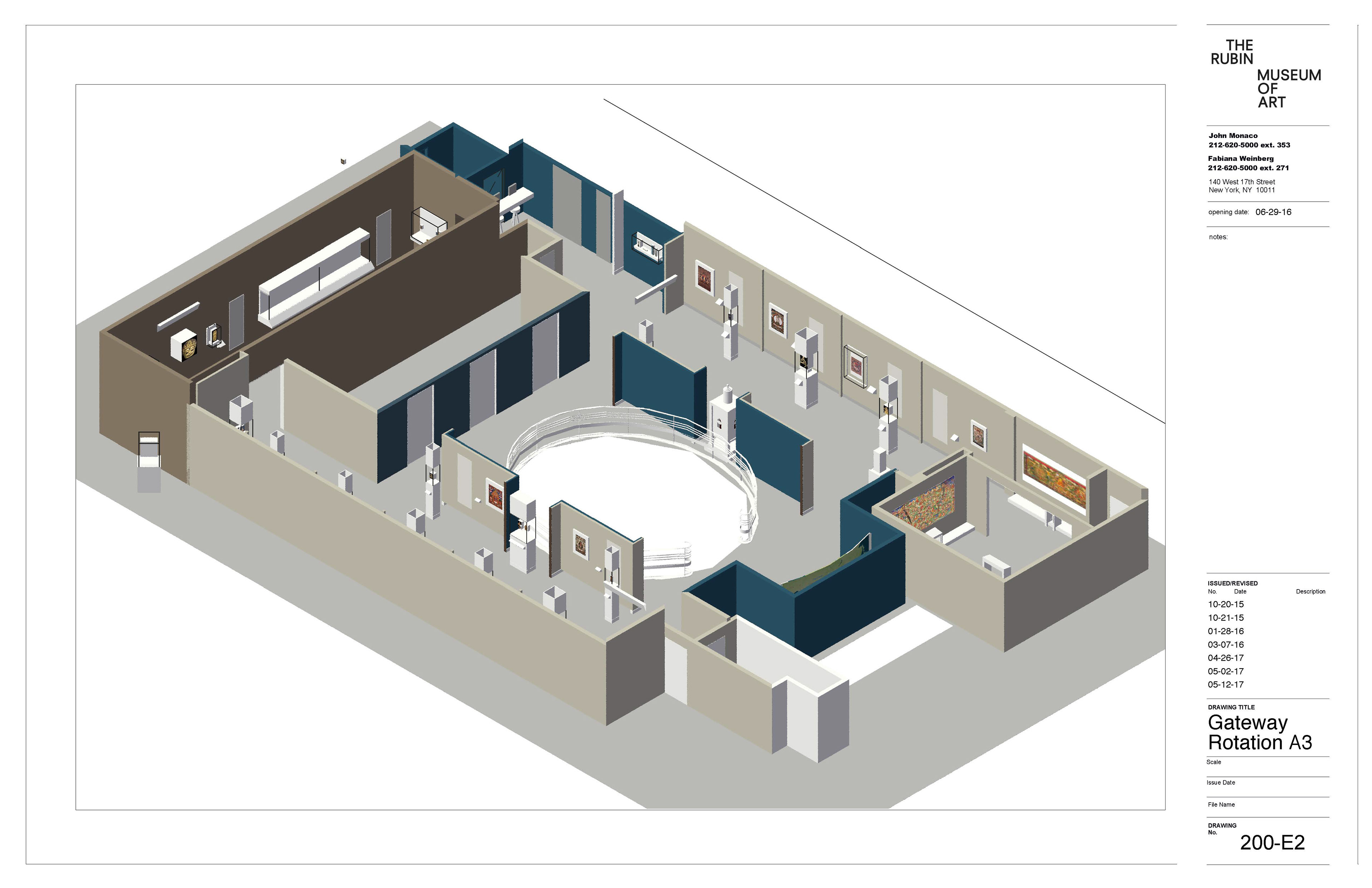
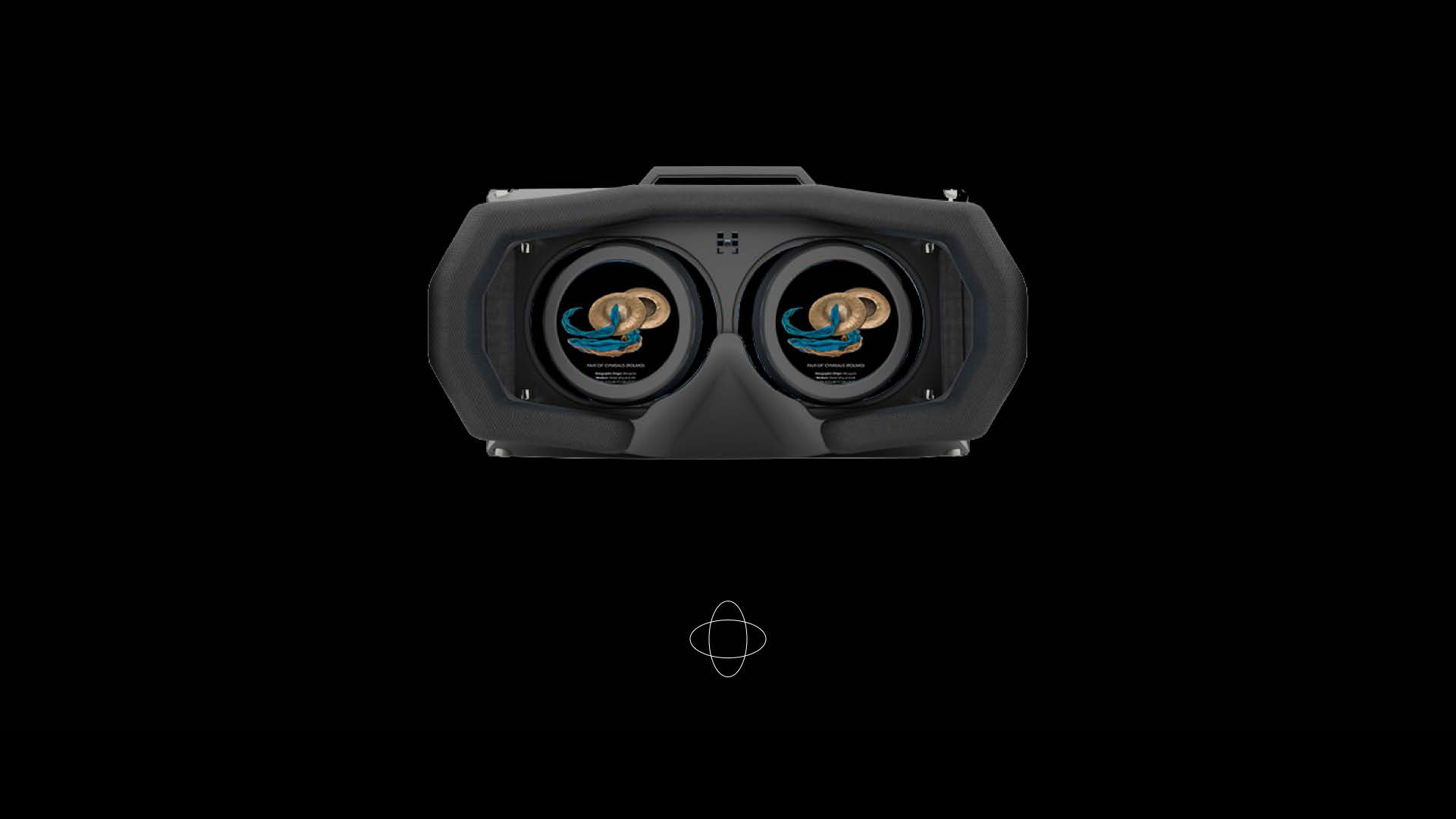
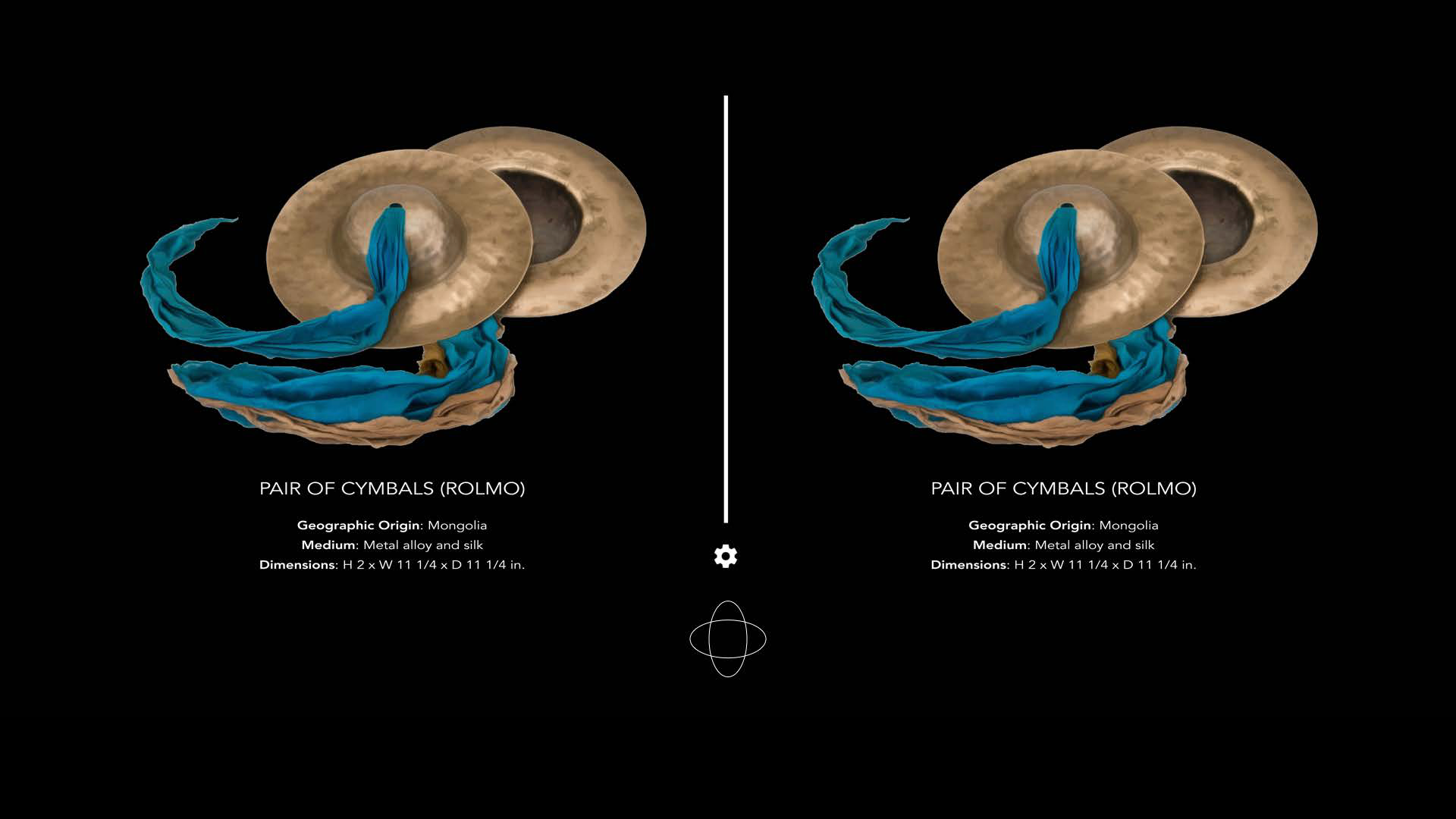
Recreating artifacts
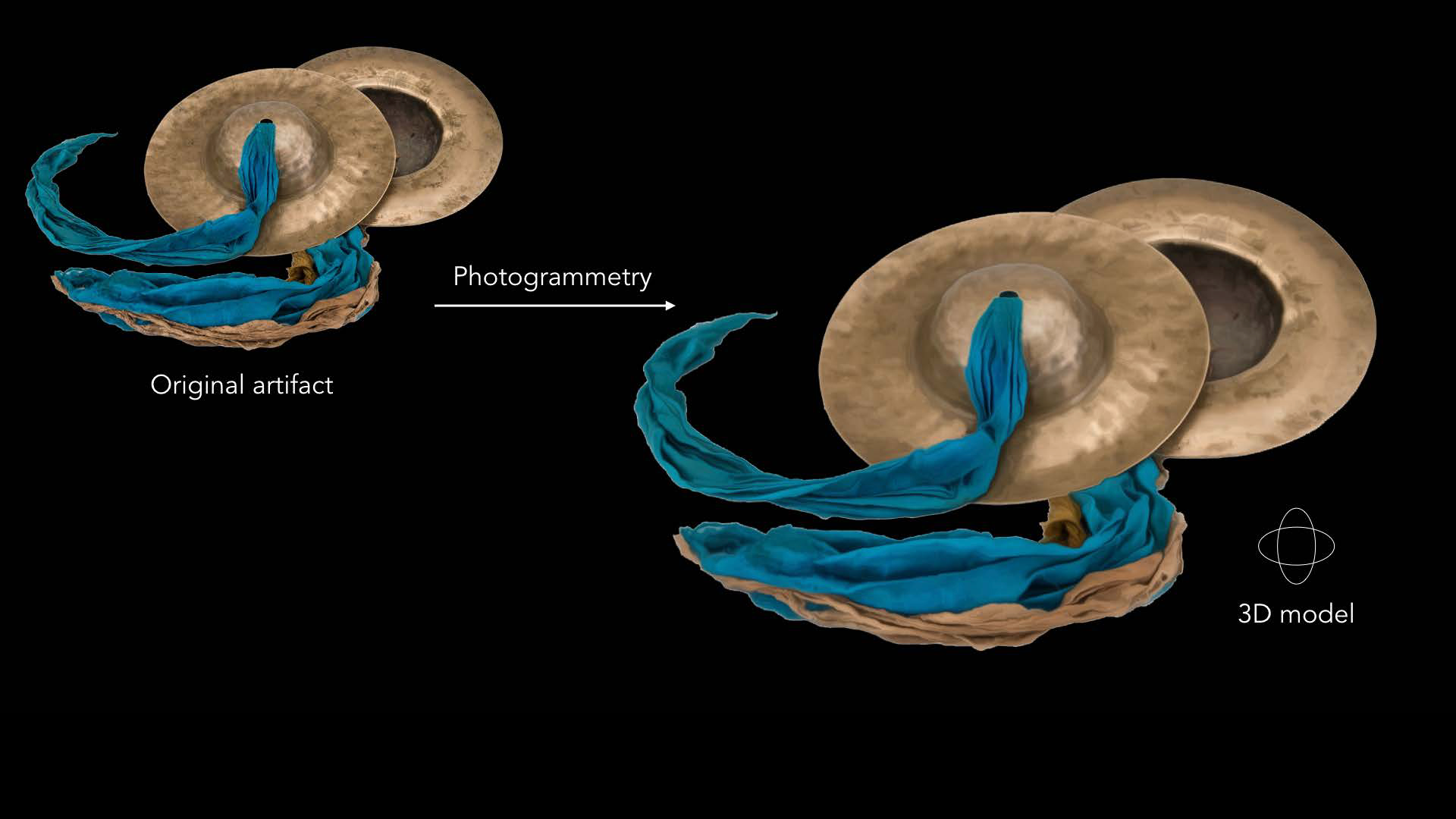
The process of recreating artifacts from the museum into 3D versions using the photogrammetry method has revolutionized the way users can engage with cultural treasures. With Oblix VR, users can access these meticulously recreated 3D artifacts directly from the app, offering an unparalleled opportunity for in-depth analysis and observation. Unlike the limitations imposed within a physical museum setting, where touching the artifacts is prohibited, Oblix VR allows users to explore these objects from various angles, providing a heightened level of immersion and interaction. Through the photogrammetry method, every intricate detail of the artifacts is captured, enabling users to examine the texture, shape, and craftsmanship with precision. This transformative capability not only enriches the museum experience but also provides individuals with a profound understanding of historical and cultural significance by bridging the gap between the physical and virtual worlds.
Reflection
After launching Oblix 1.0 and conducting extensive user testing, Oblix VR discovered that the interactions and features offered by the platform were not sufficiently engaging to encourage users to spend significant time on the app or to keep coming back regularly. This feedback was further reinforced by insights gathered from the VR community. Understanding the importance of user engagement for the success and growth of the platform, Oblix VR recognized the need to address these challenges and enhance the overall user experience.
User engagement was a critical concern as it directly impacted the platform's sustainability and ability to retain a dedicated user base. Oblix VR aimed to create an environment that would captivate users, keeping them immersed and active within the VR platform, ultimately fostering a sense of loyalty and enthusiasm.
________________________________________
3
Oblix 2.0
⥥
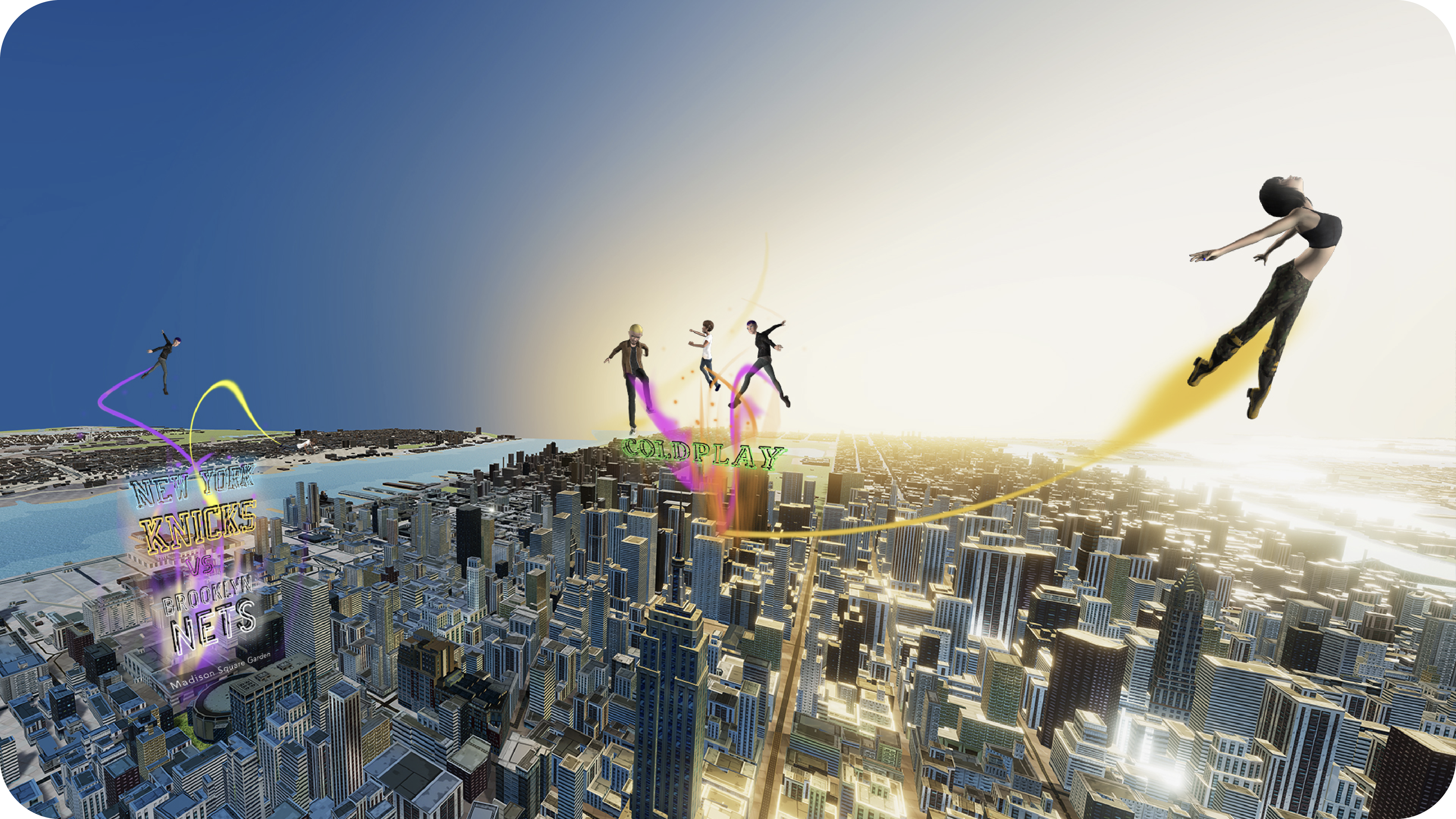
Oblix 2.0 concept art of social interaction feature
Introducing a social platform where users could connect, interact, and collaborate in the virtual realm, fostering a sense of community and shared exploration. By bringing the world to users' fingertips, Oblix VR provides an accessible and cost-effective alternative to physical travel, enabling individuals to satisfy their thirst for discovery and immerse themselves in diverse environments and experiences, regardless of their geographical location.
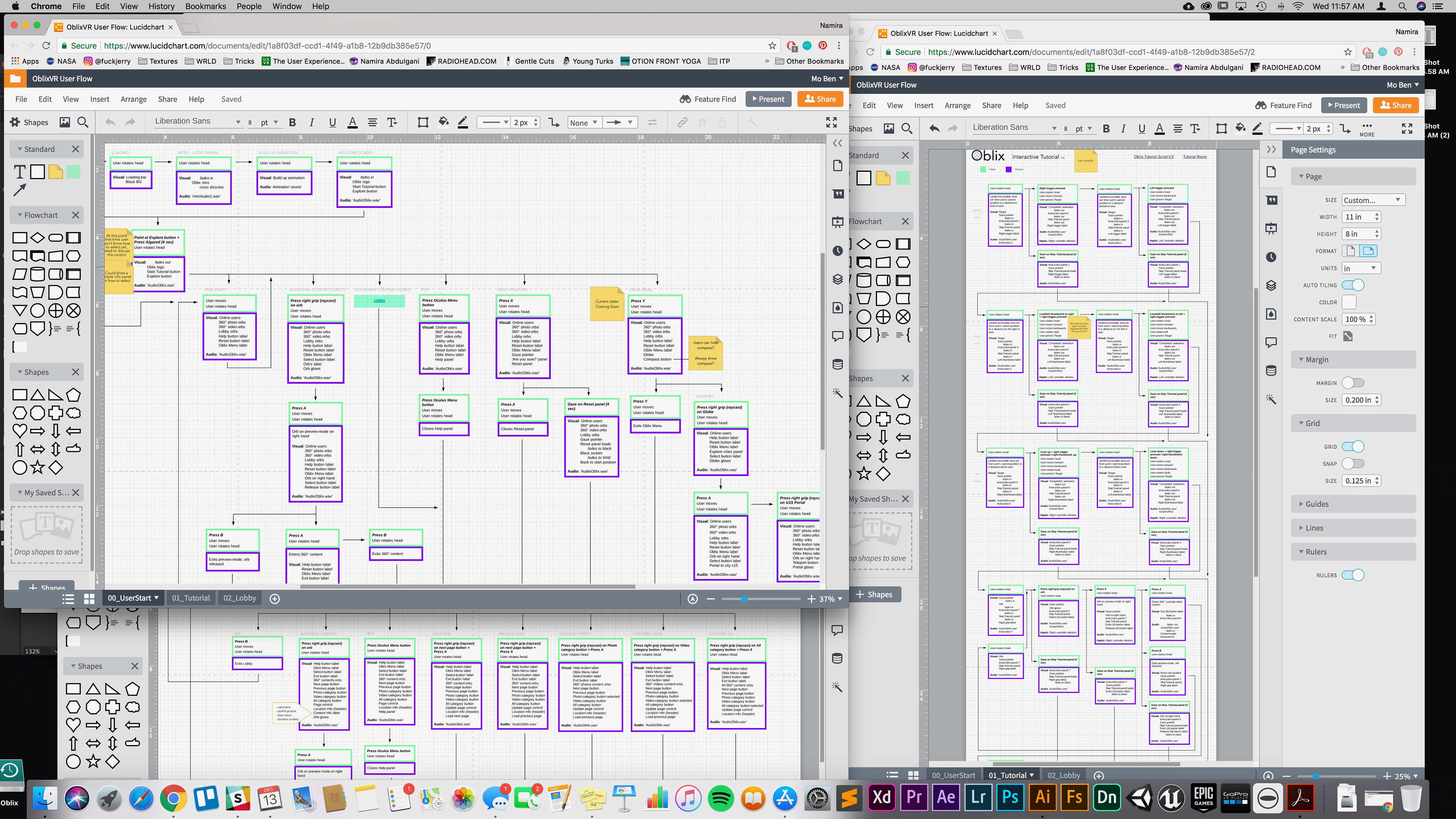
User flow sketch
3.1 Rebranding
To address the user engagement challenges and further enhance the platform, Oblix VR embarked on a significant update and rebranding project, resulting in the development of Oblix 2.0. The rebranding effort played a pivotal role in inspiring and fueling the product evolution, setting the stage for a more dynamic and immersive user experience.
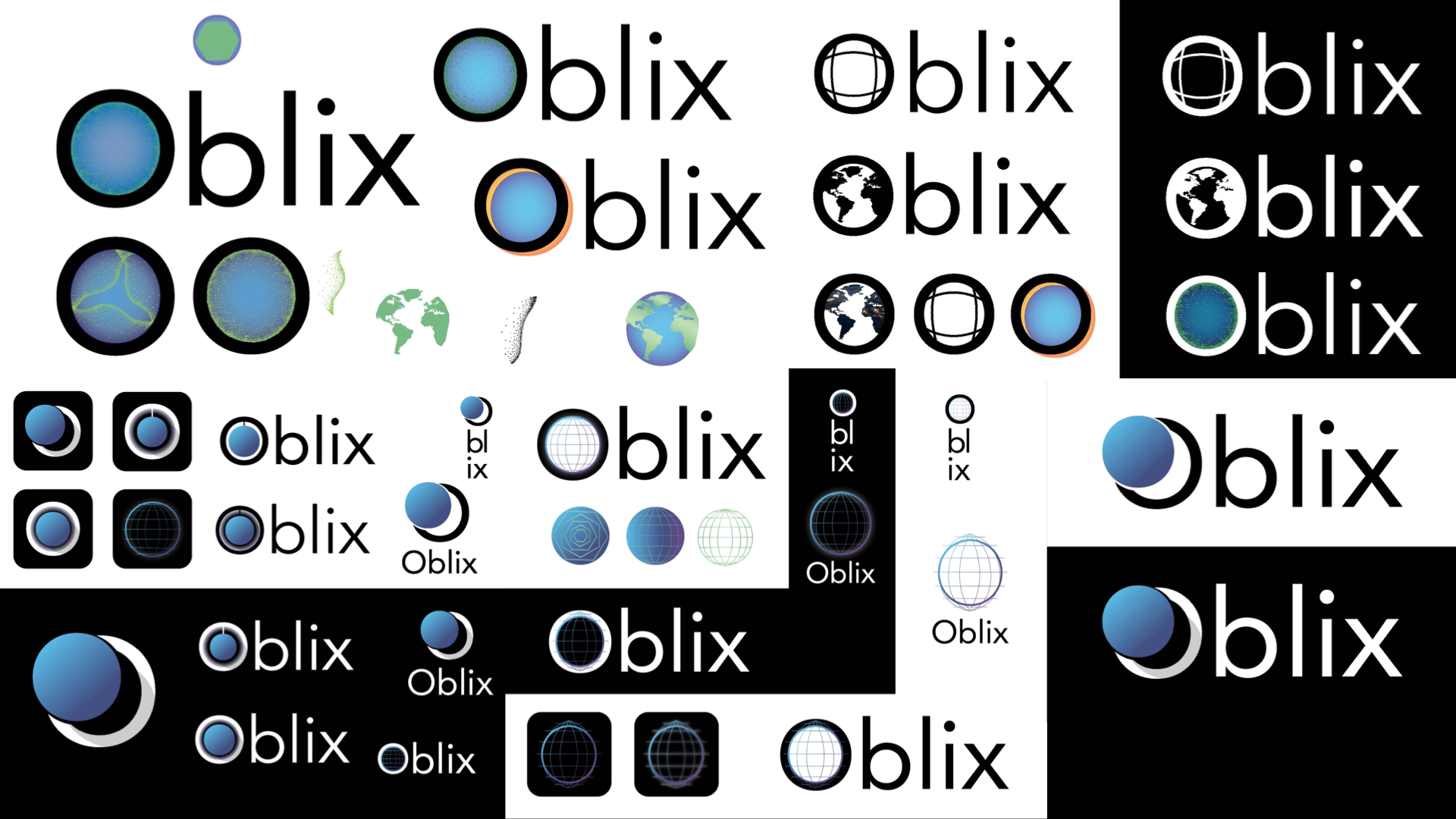
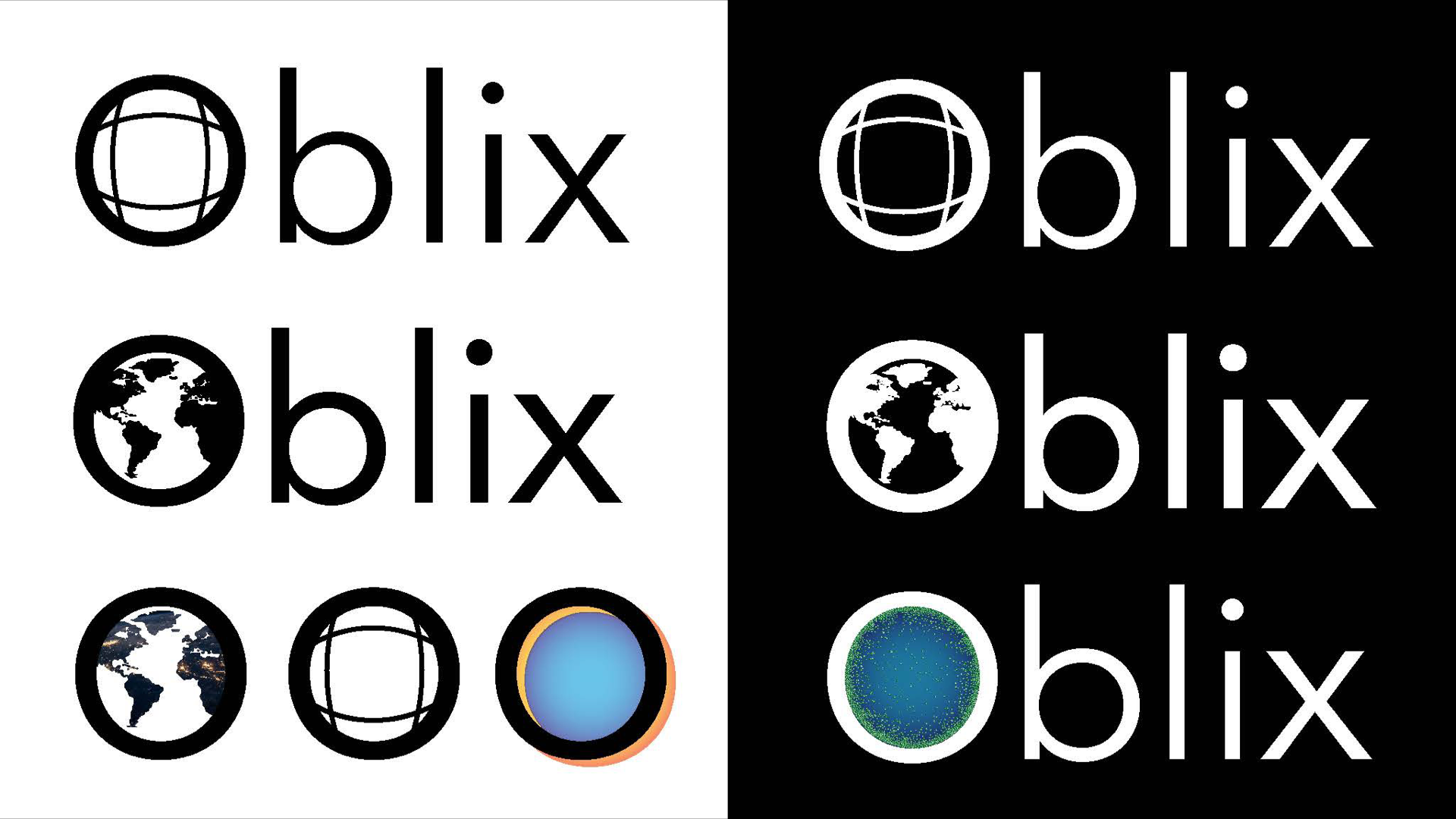
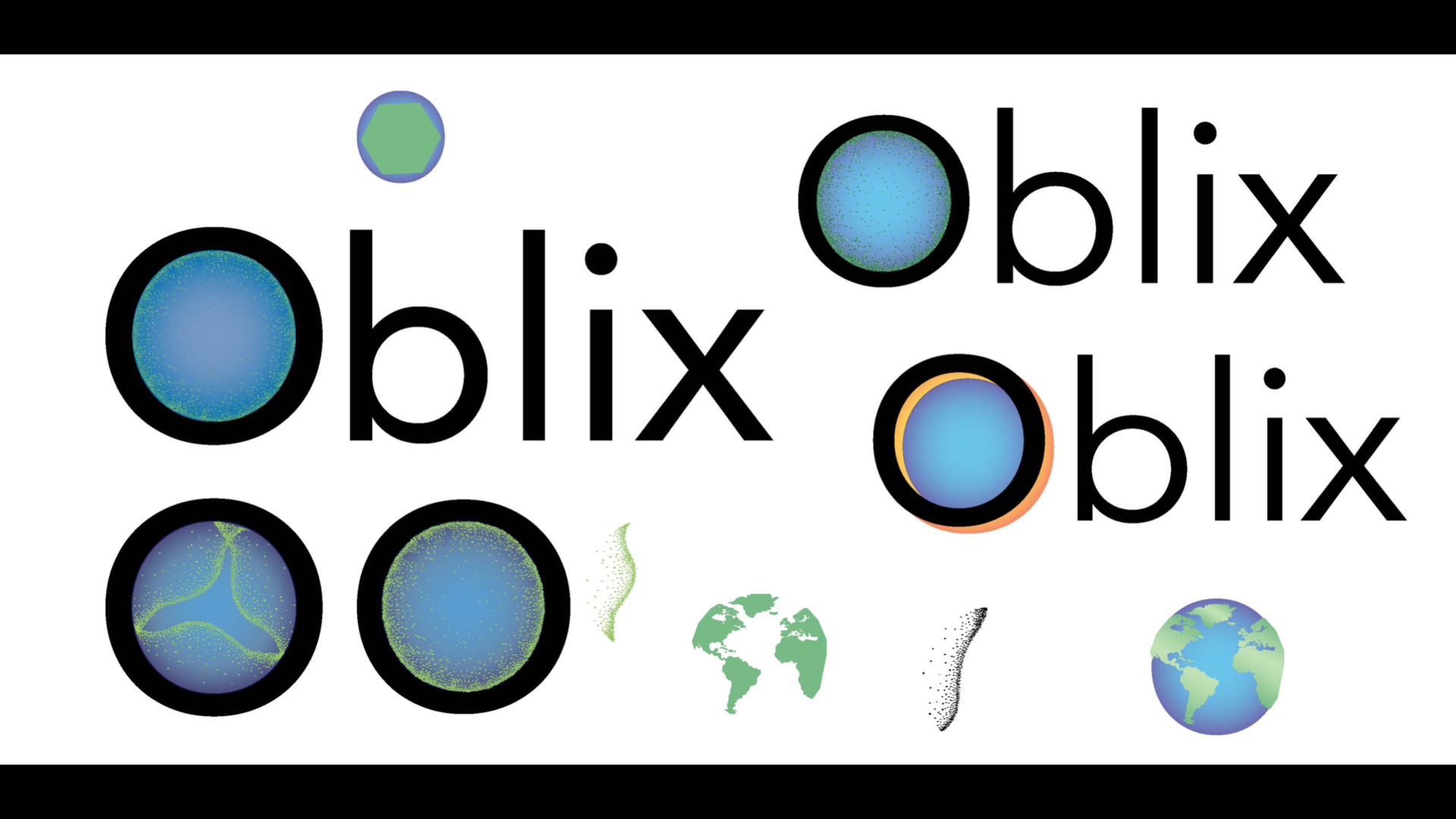
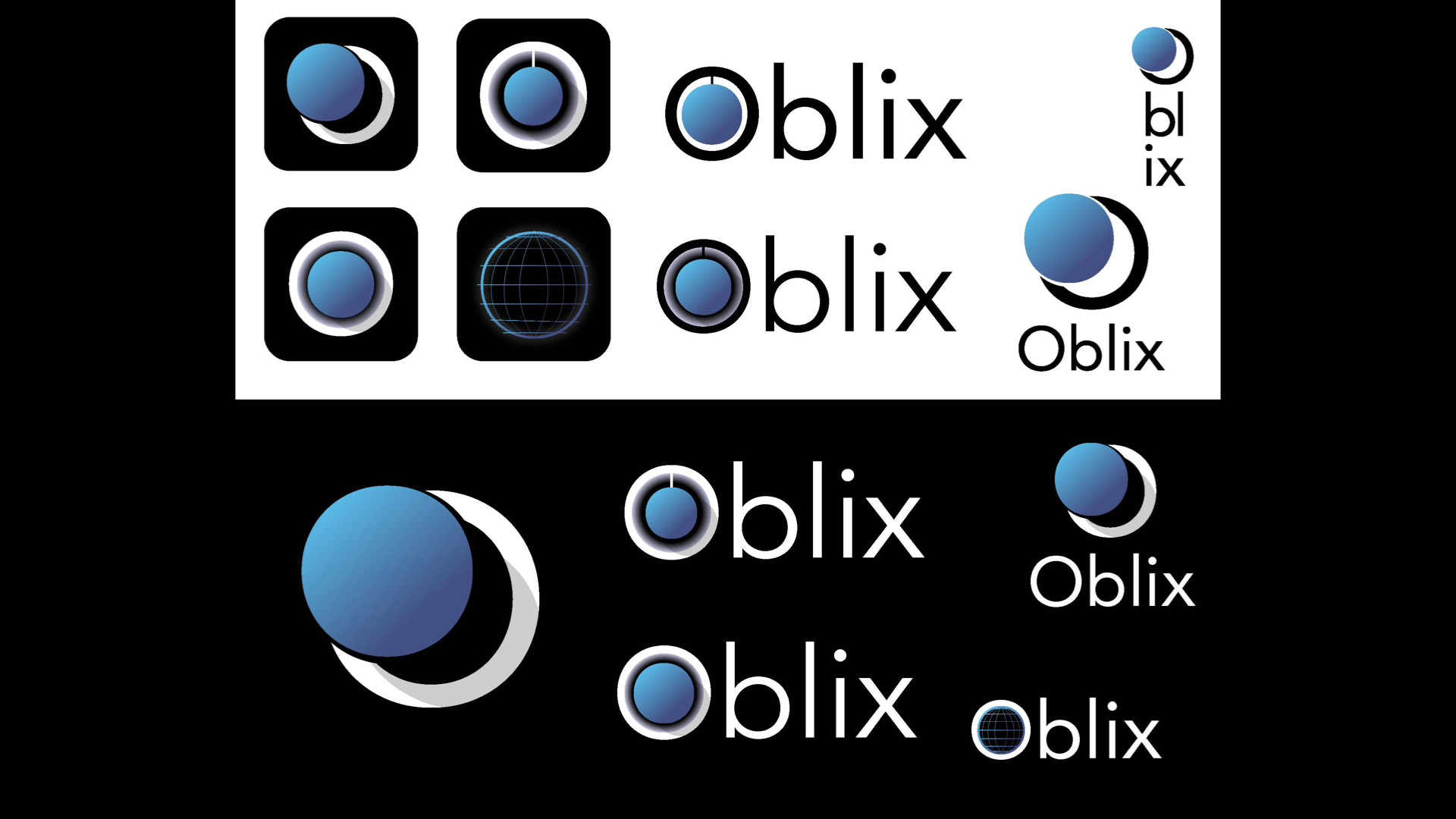
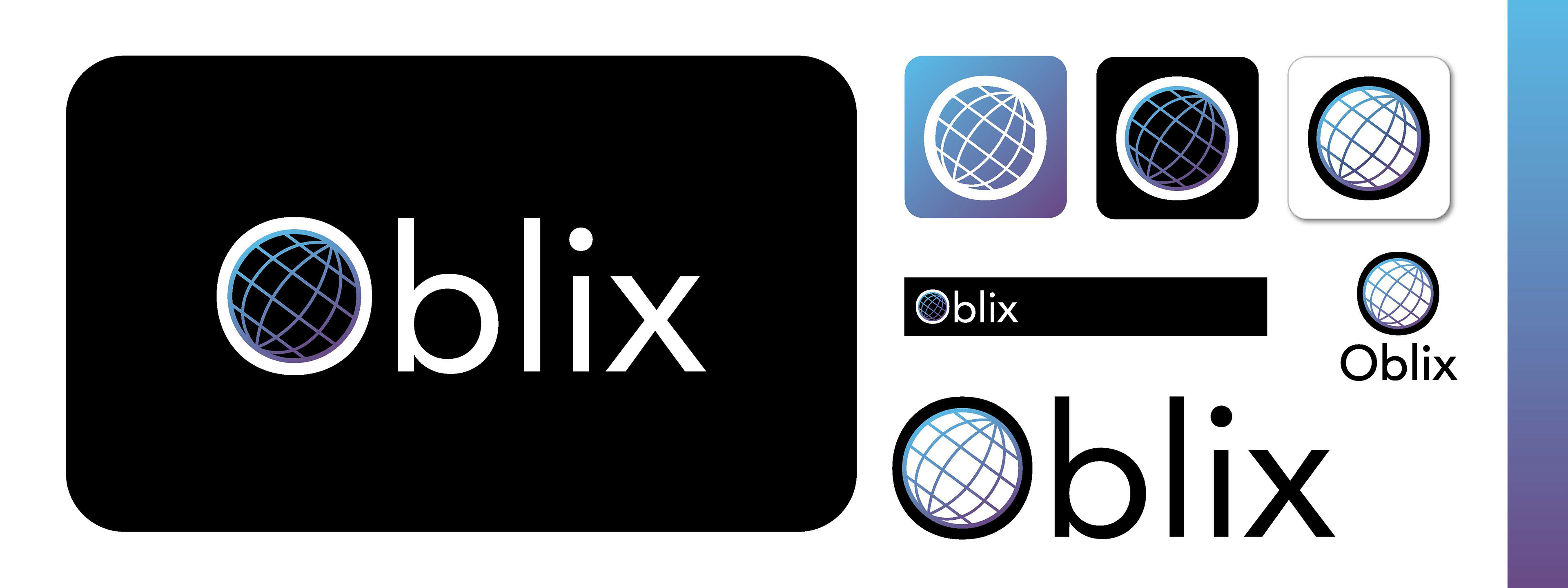
The blue color represents the real world, while purple represents the virtual world, and the gradient showcases their merging in the Oblix universe.
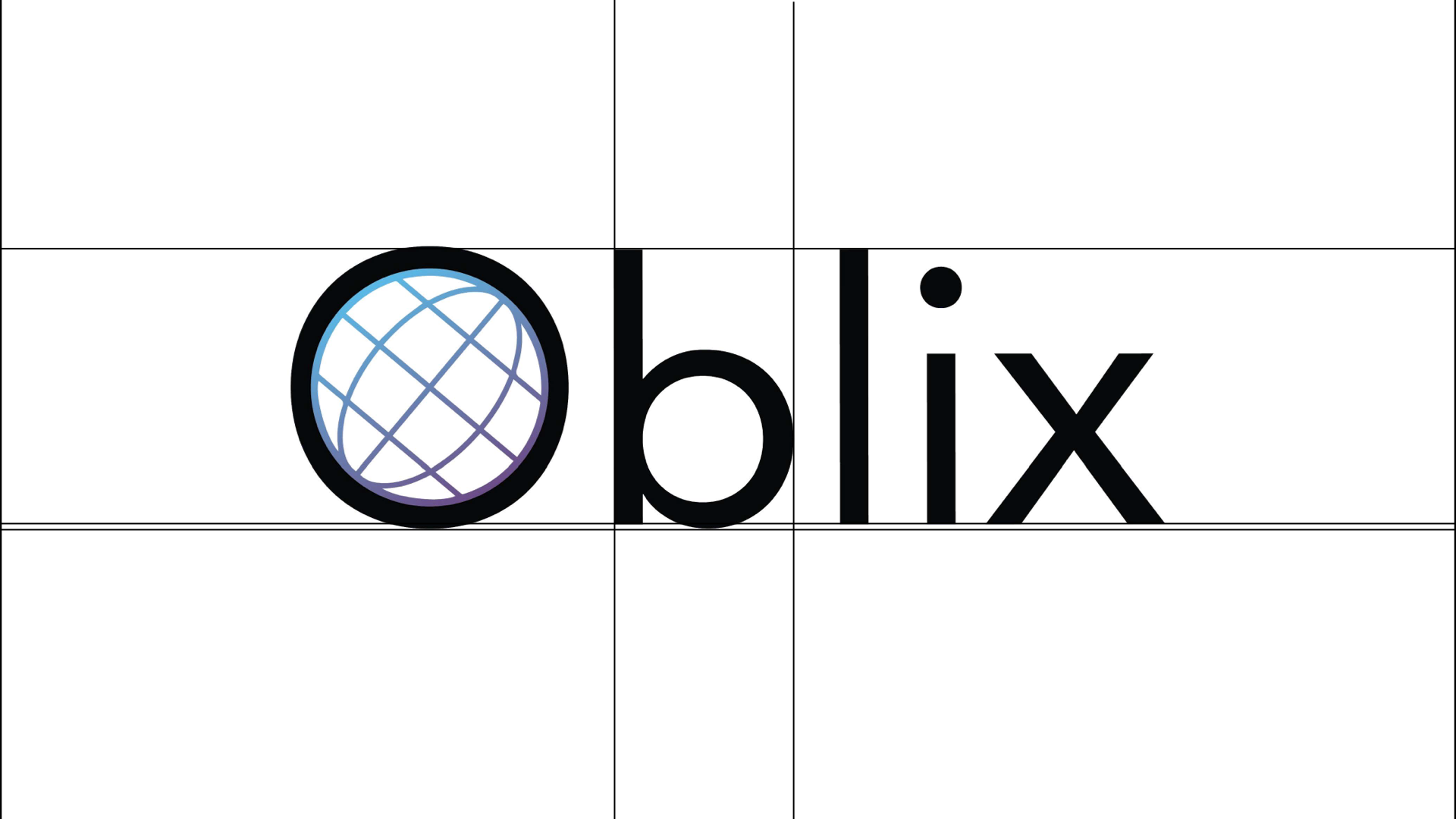
The rebranding project involved reshaping the face of the company, starting with the redesign of the Oblix VR logo. The new logo took inspiration from a desk globe, symbolizing the platform's focus on real-world exploration and discovery. The inclusion of a tilted globe symbol signifies motion and energy, mirroring the new free-flying and movement features in Oblix 2.0. This rebranding initiative aimed to create a visual identity that resonated with users and conveyed the platform's core values of freedom, exploration, and interconnectedness.
3.2 Avatars & Multiplayer
Building upon the rebranding momentum, Oblix VR introduced Oblix 2.0, an updated version of the platform that encompassed a range of new features and enhancements. The primary focus of Oblix 2.0 was to introduce gamification and increased interaction values to enhance user engagement and encourage longer and more frequent usage.
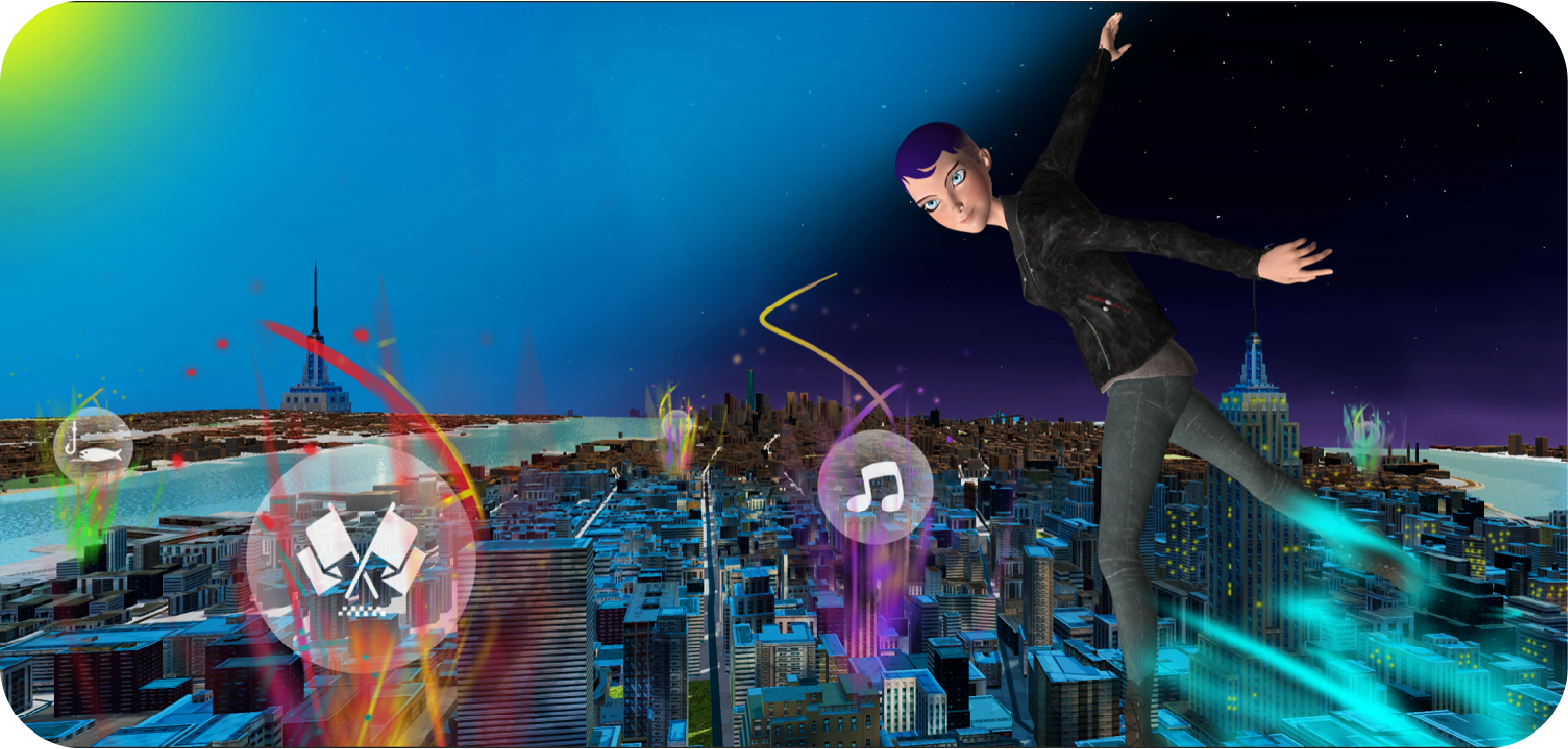
Avatar mockup
The concept of multiplayer functionality is a significant update in Oblix 2.0. Users could "meet up" with friends or other users in the virtual world, enabling social interactions, collaborative experiences, and the ability to play games together. This multiplayer feature brought a new level of immersion and shared exploration, fostering a sense of connection and community within the Oblix VR platform.
3.3 Interface+
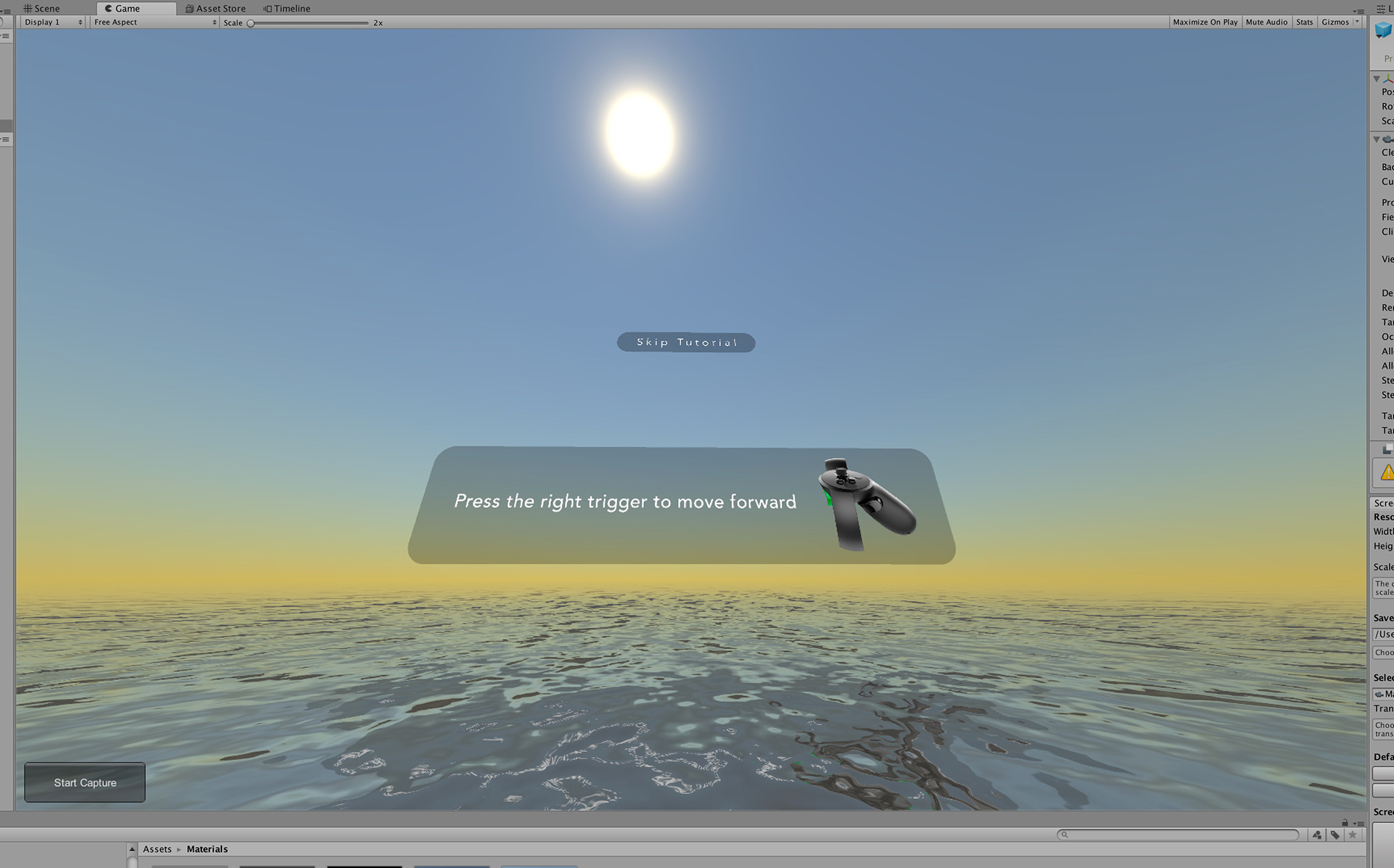
Tutorial
At the start of the experience, we include a tutorial to ensure that users are comfortable with the controls. Furthermore, we update it with each design iteration to keep it current.
Control center
We conducted experiments and A/B tests to determine the optimal placement of the control panel, as well as implemented a world filter feature that allows users to hide or show content based on their interests.
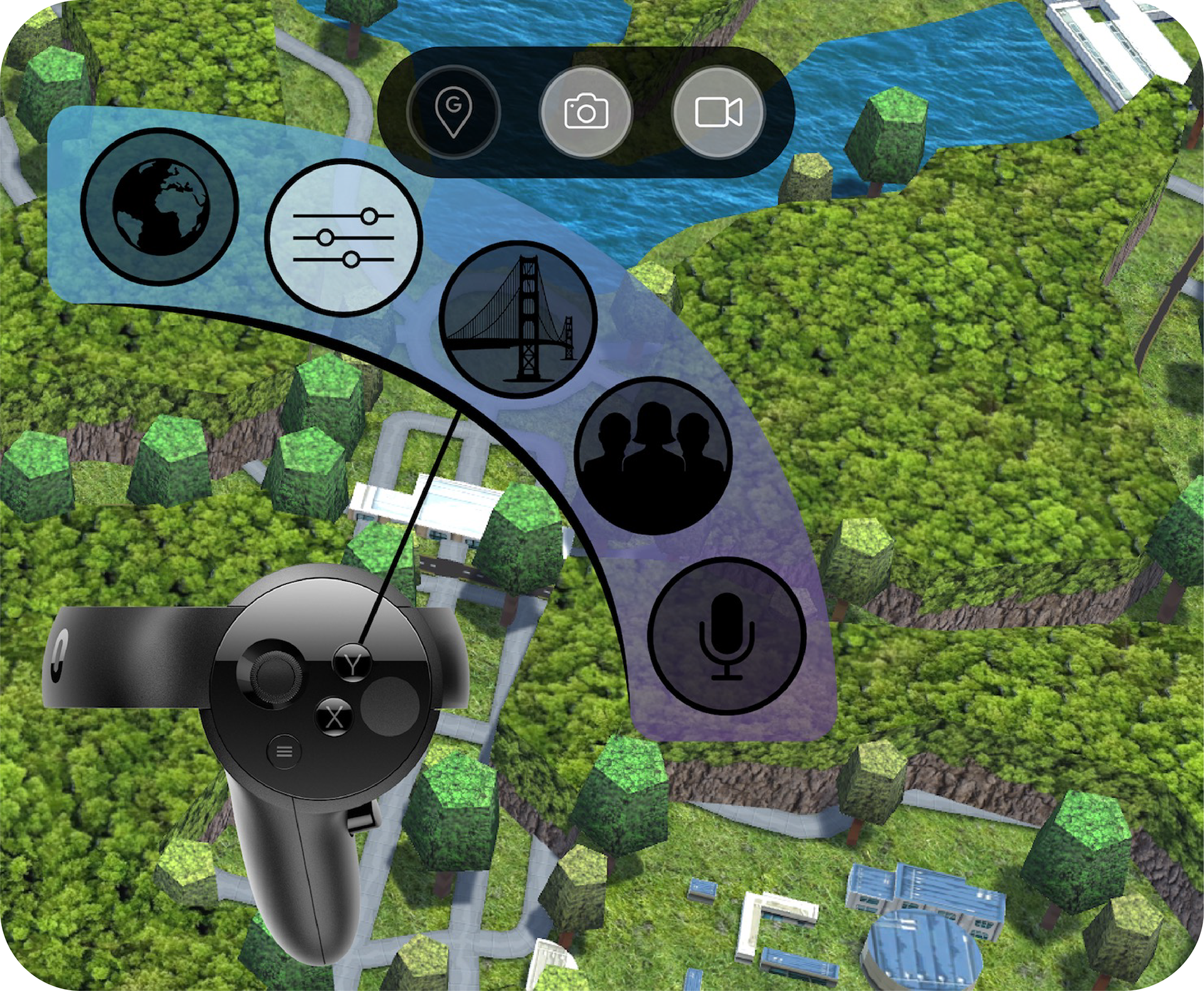
UI A
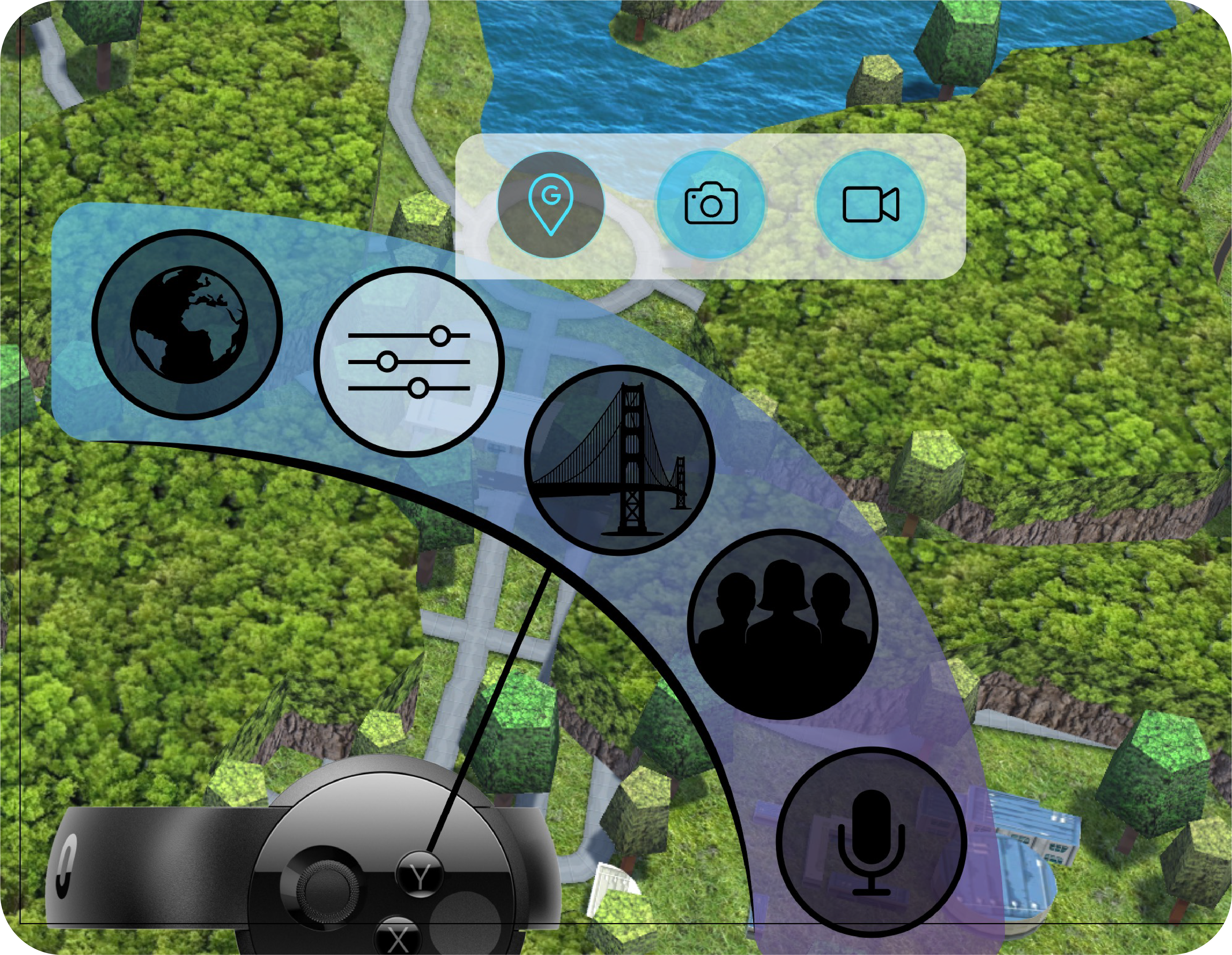
UI B
The control center is designed to go with you wherever you go, providing shortcuts to easily access your chat rooms, landmarks, achievements gallery, and user settings.
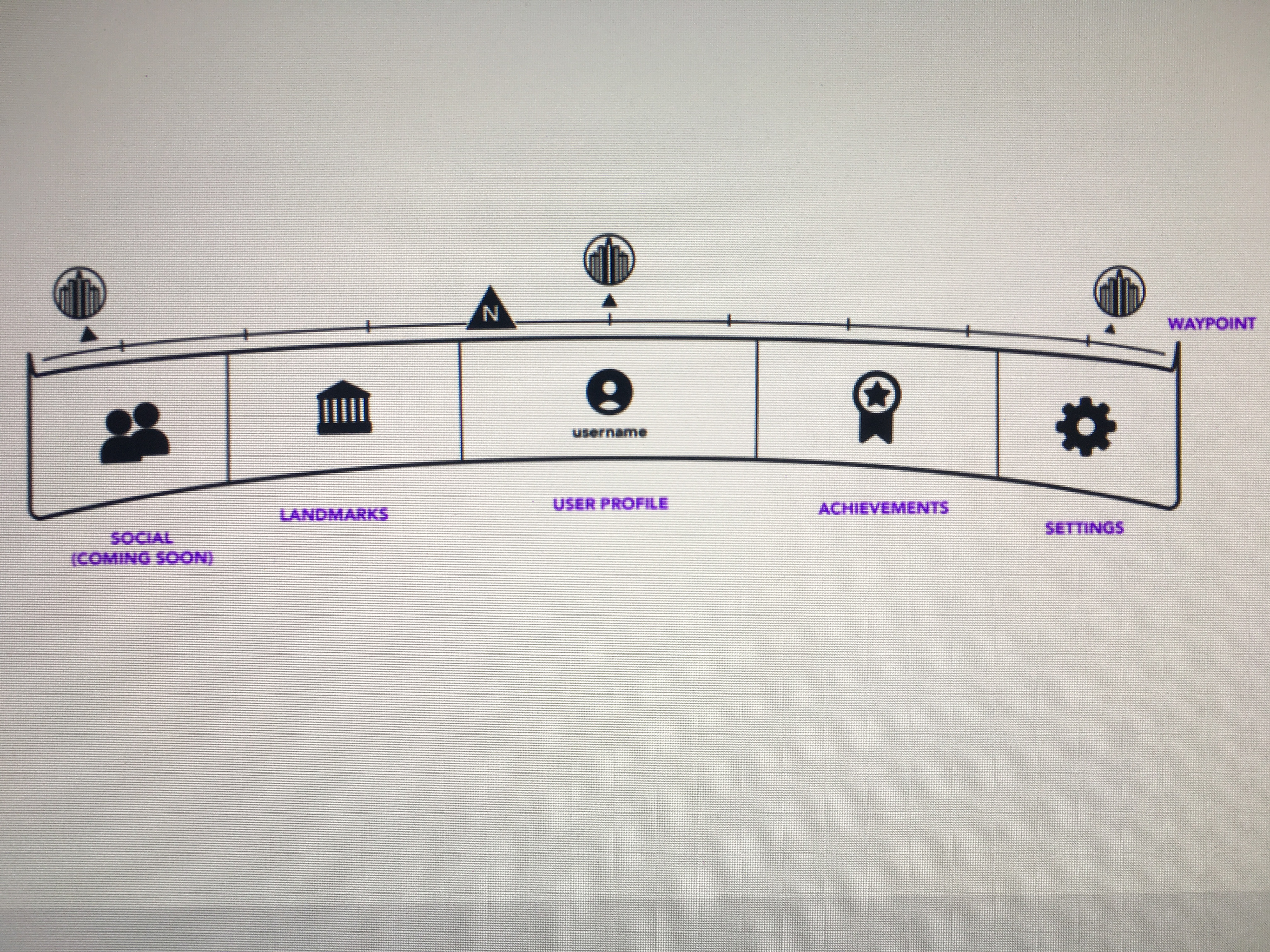
Illustrator sketch
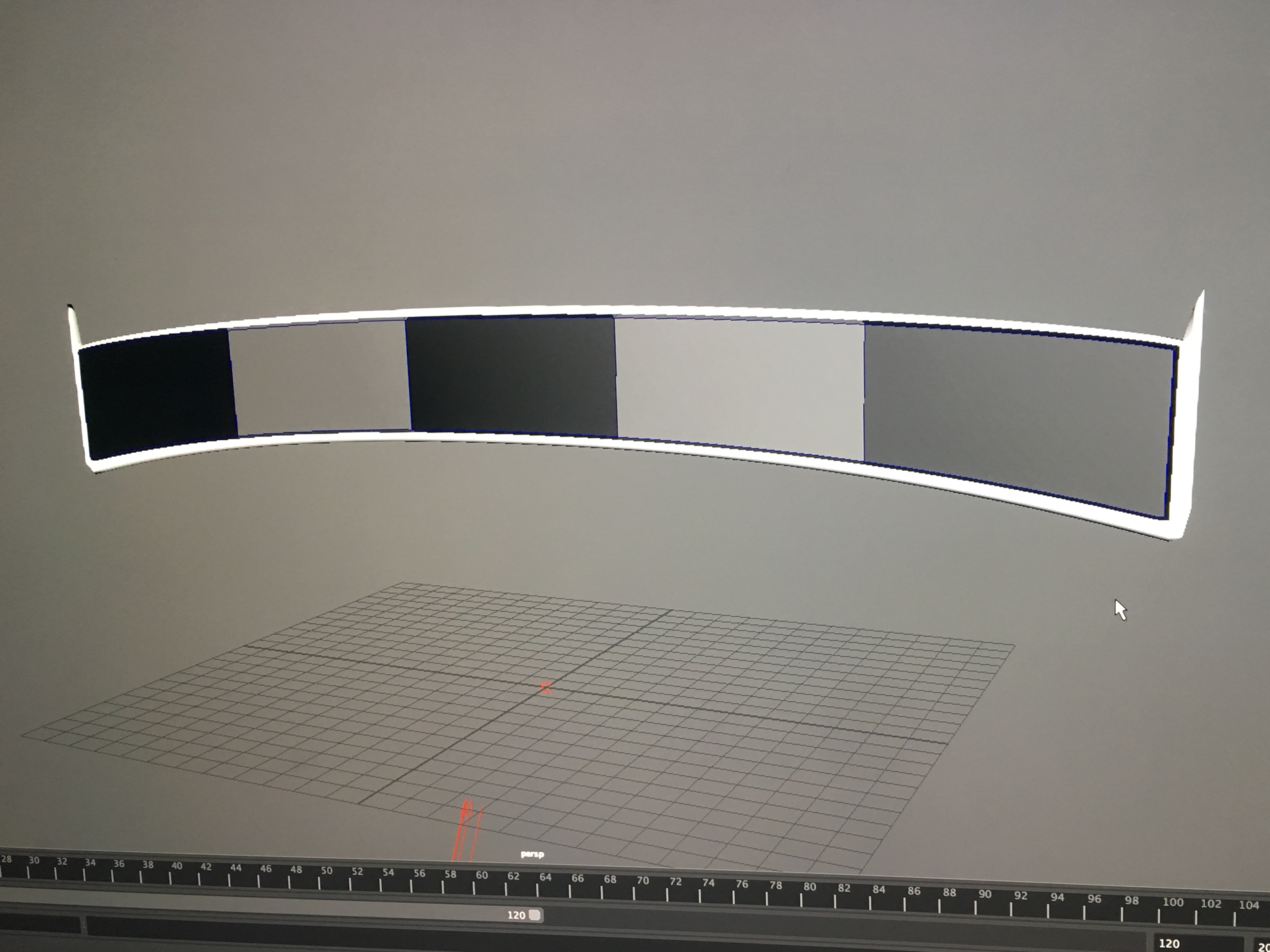
3D prototype
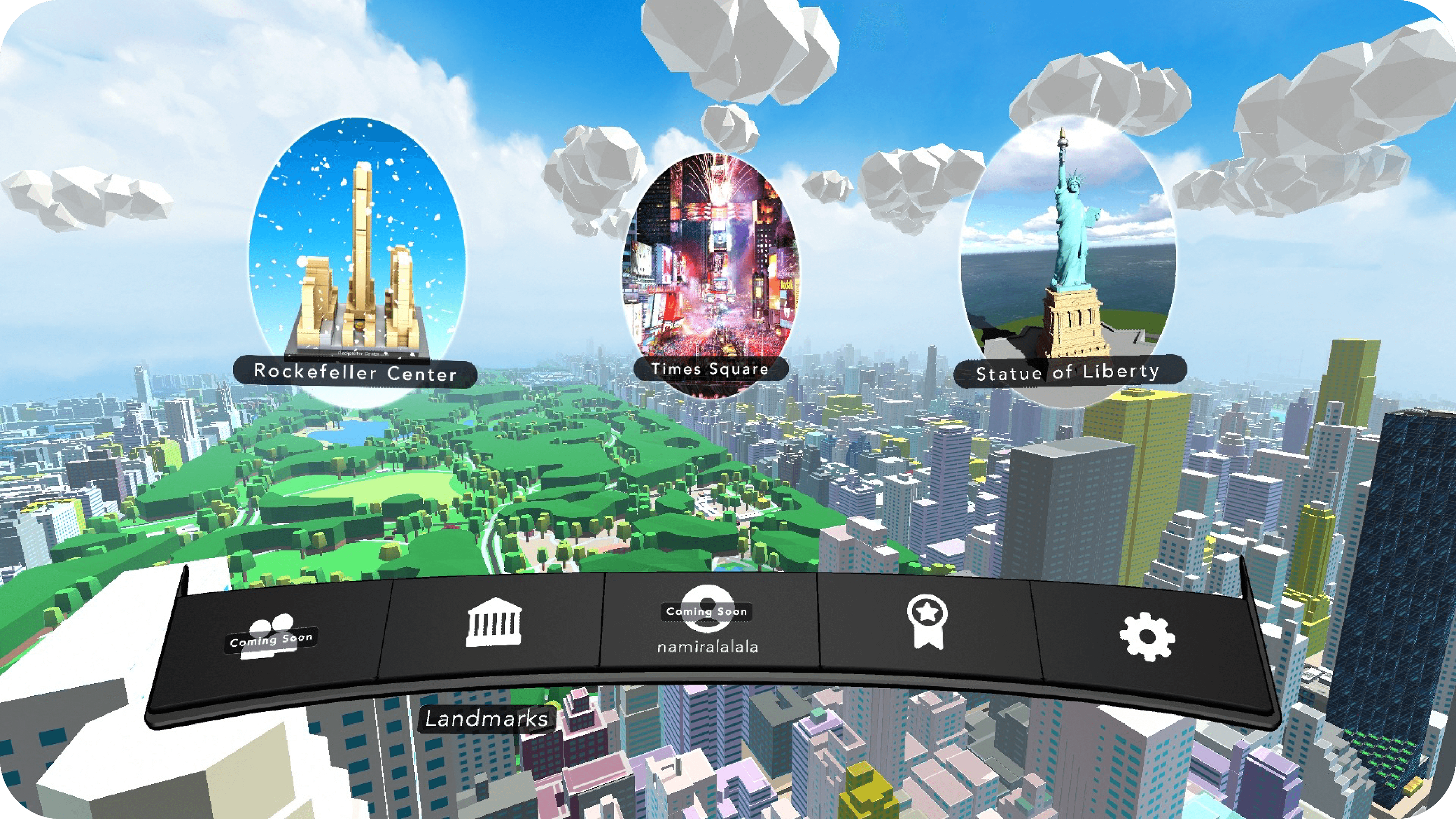
Environment test and tech rehearsal
Portal orb
To travel to another place, people can use the portal by holding it and placing it over their heads. This allows them to see a glimpse of what's on the other side before deciding to go through with the move. To confirm their decision, they must remain inside the orb for the duration of the countdown, which is indicated by a visible timer.
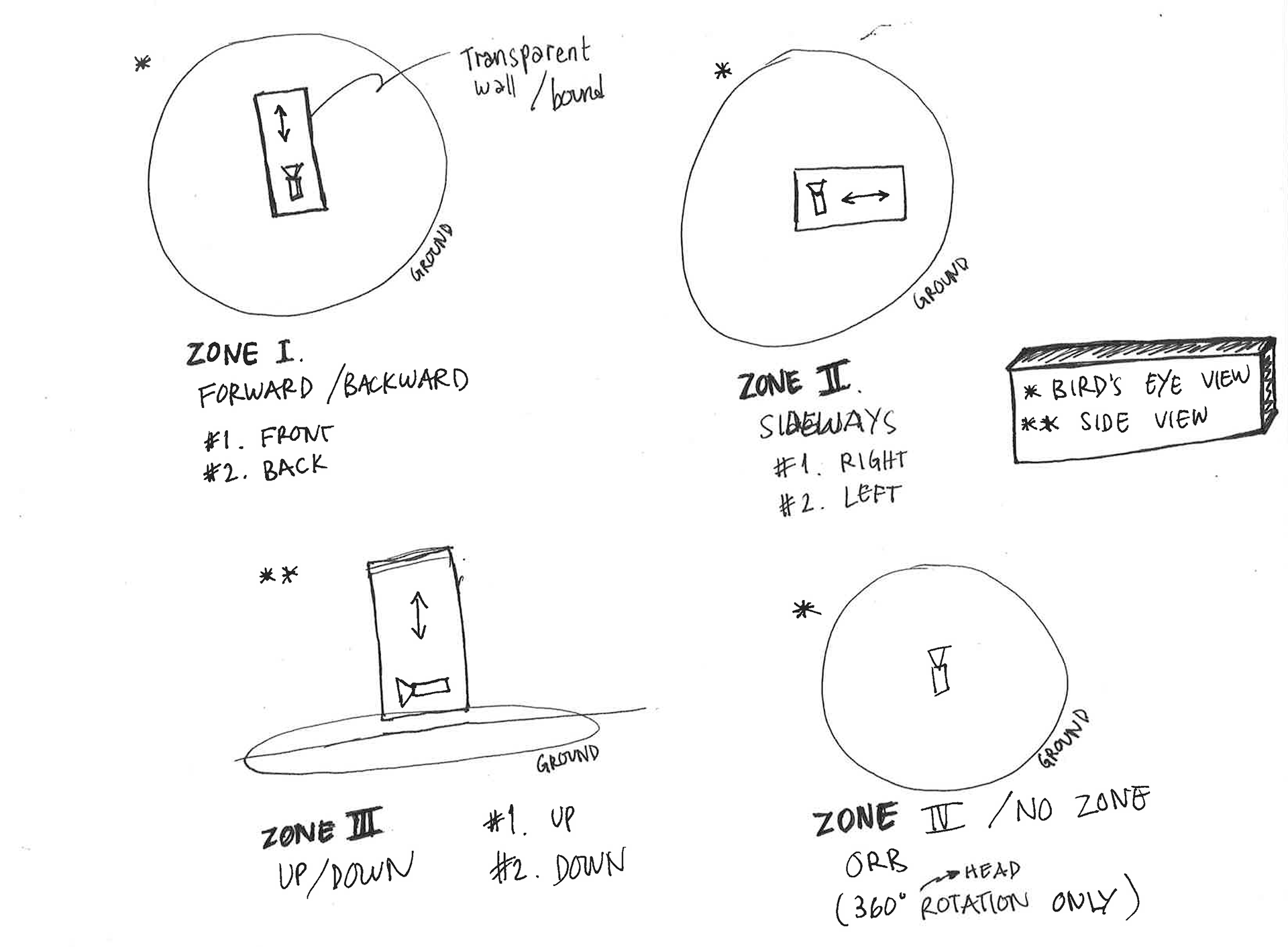
Interaction sketch to access multiple 360° media within an area
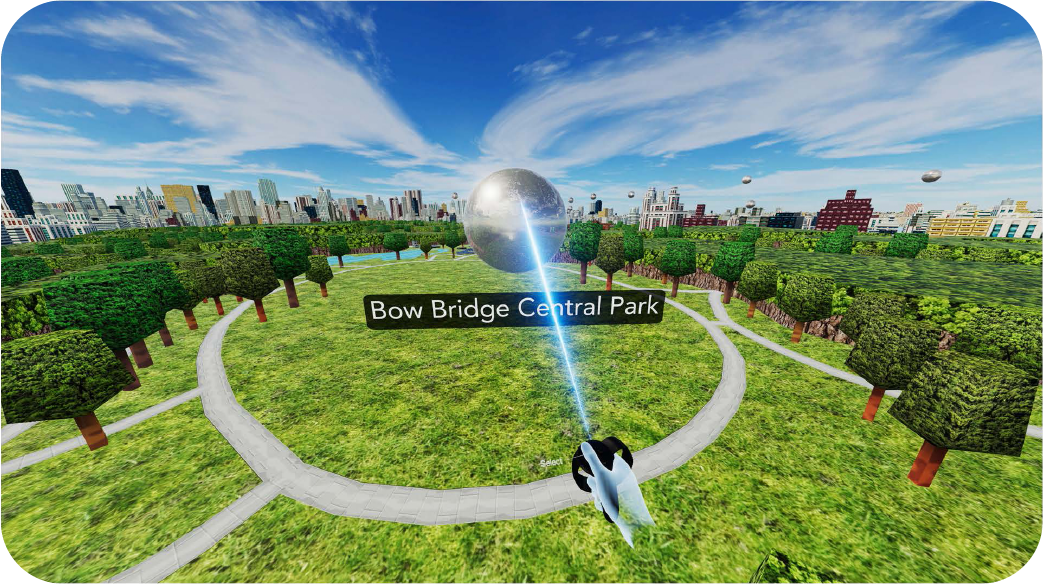
A laser beam is used to select an orb regardless their distance
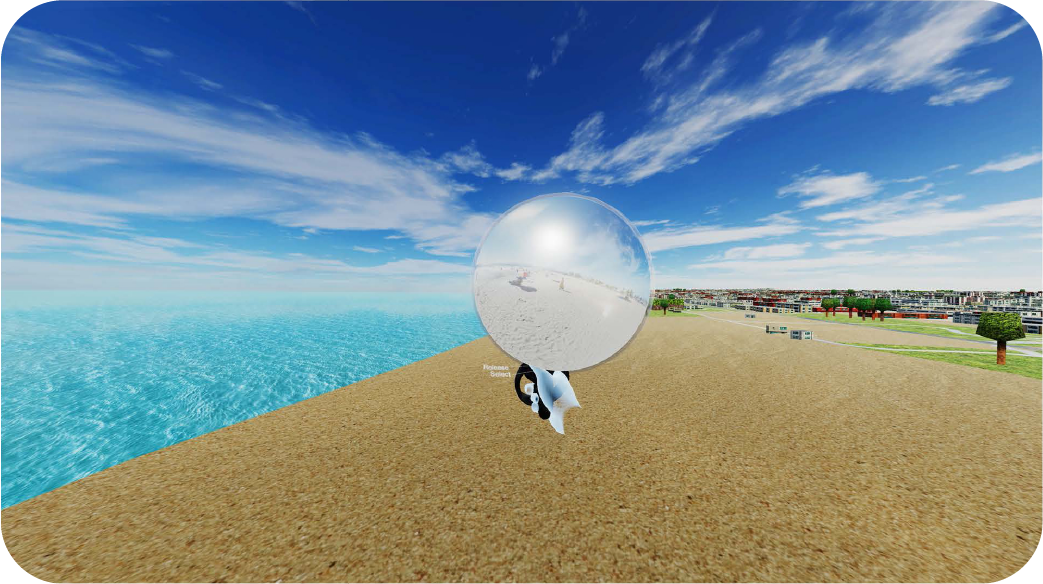
The orb adheres to your virtual hand once selected
3.4 Gamification
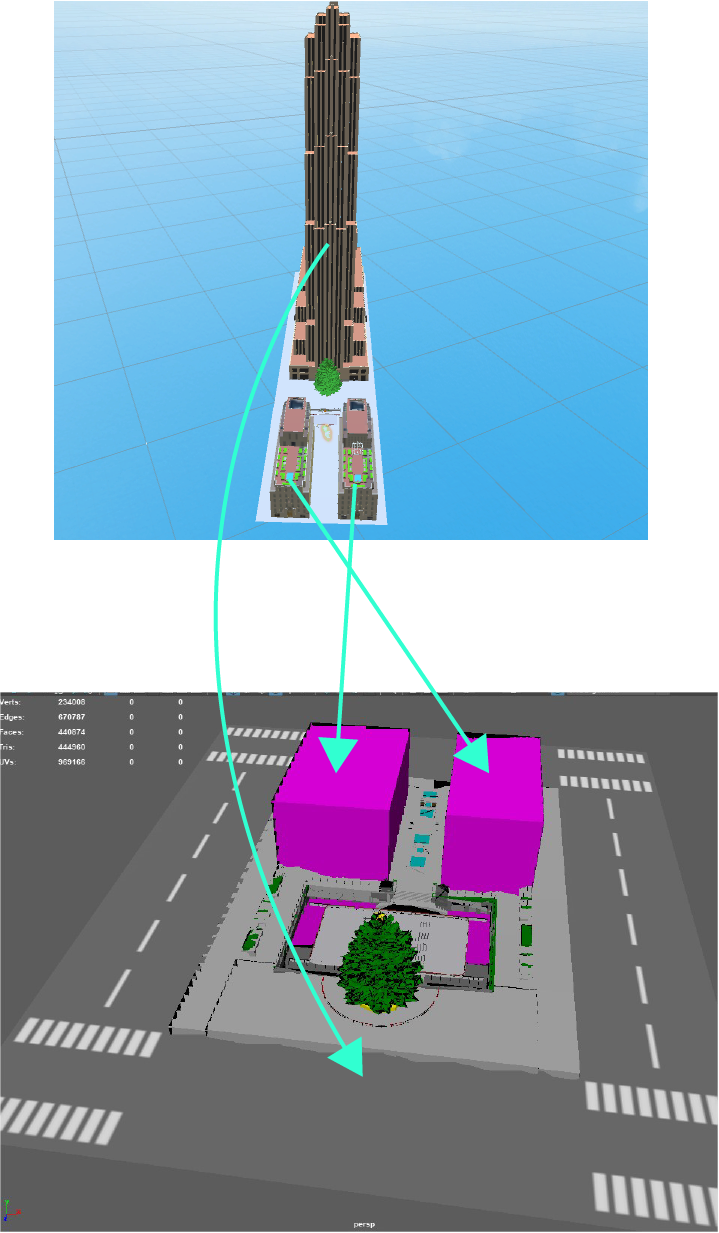
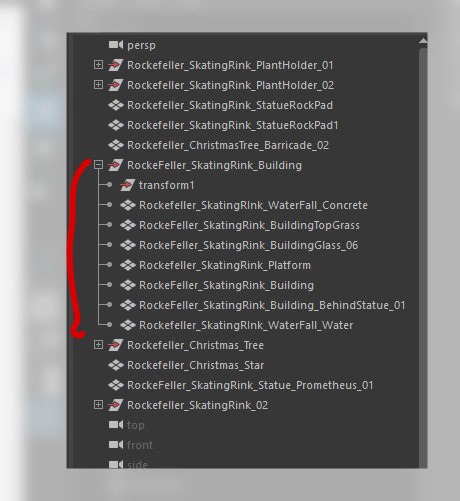
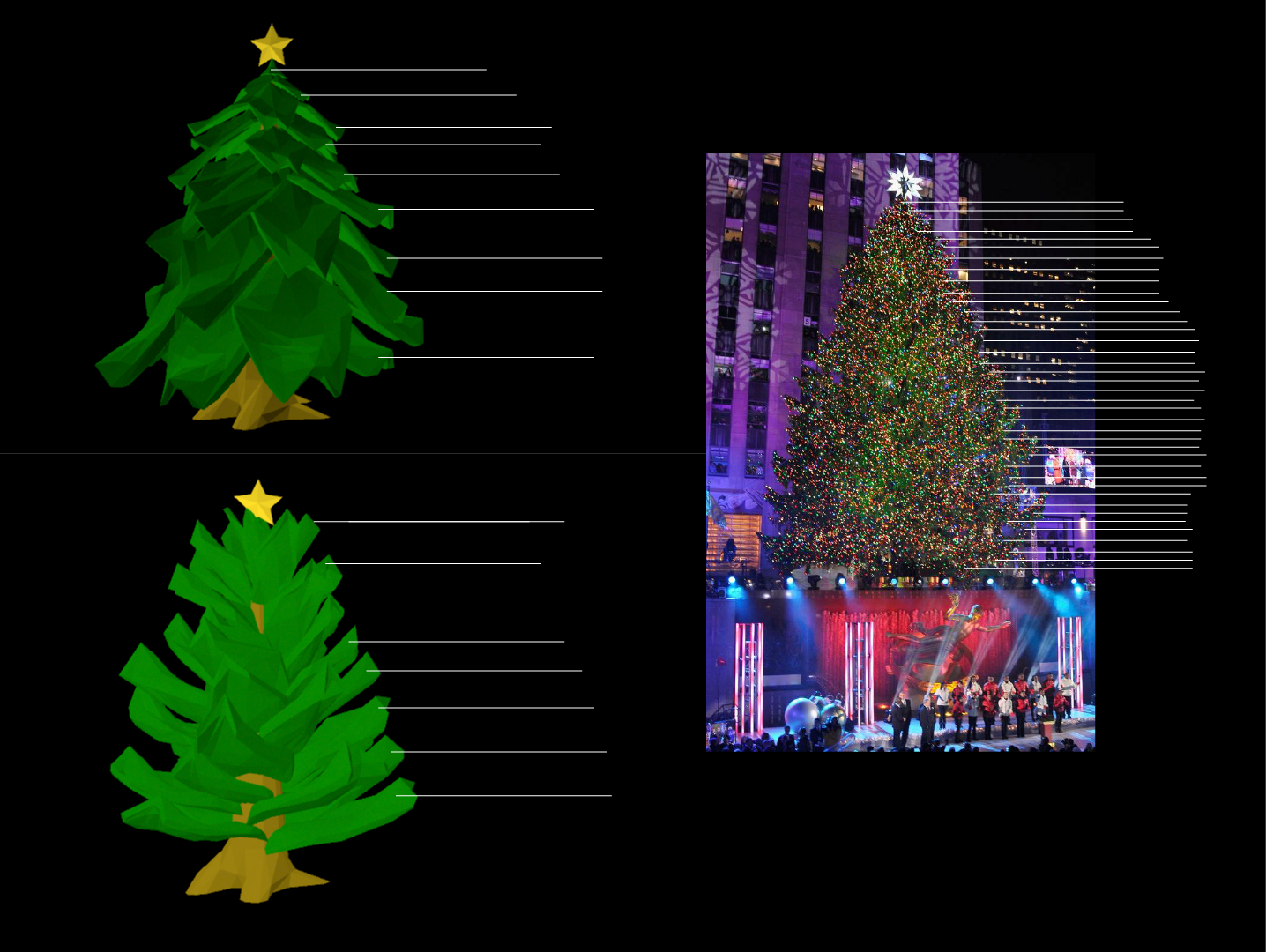
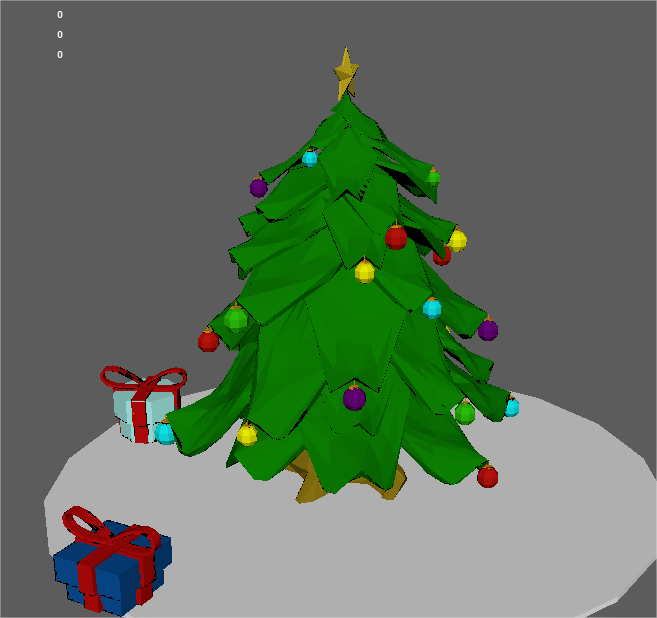
Another notable addition to Oblix 2.0 was the inclusion of a mini-game that allowed users to decorate the infamous Christmas tree at Rockefeller Center in New York City. This interactive experience offered users a fun and engaging activity within the virtual realm, further boosting user engagement and providing opportunities for customization and personalization.
To encourage exploration and achievement, Oblix 2.0 incorporated an achievements system. Users could unlock badges and rewards based on their virtual adventures, encouraging them to explore different locations, engage with user-generated content, and reach specific milestones within the platform. This gamified approach added a layer of excitement and progression, motivating users to interact continuously with Oblix VR and strive for new accomplishments.
Reflection: Challenges in Designing for VR
Designing for VR posed unique challenges for Oblix VR, we invested significant time and effort into experimenting with 3D interactions and user experiences while also adhering to strict deadlines to ensure timely product releases and updates.
We faced the challenge of finding a balance between innovation and practicality. We had to push the boundaries of VR design, testing new ideas and approaches to create engaging experiences, while also considering the technical constraints and limitations of the available VR platforms. This iterative process of experimentation, refinement, and testing was essential to deliver a high-quality product and meet the evolving demands and expectations of the VR community.
________________________________________
4
Launch
⥥

The combination of the rebranding project and the introduction of Oblix 2.0 brought a renewed sense of dynamism and engagement to the platform. Users could now enjoy a more social and interactive experience, connect with others in the virtual world, participate in multiplayer activities, engage in mini-games, and earn achievements along their journey of exploration and self-expression. The VR app was launched on Steam store.
4.1 Brand Applications
360° intro animation
As part of the launch strategy, Oblix VR created a captivating 360° animation intro for the app using After Effects and Mettle Beta. This immersive introduction aimed to capture the attention of users right from the start and provide a glimpse into the exciting world they were about to explore within the Oblix VR platform.
Marketing materials
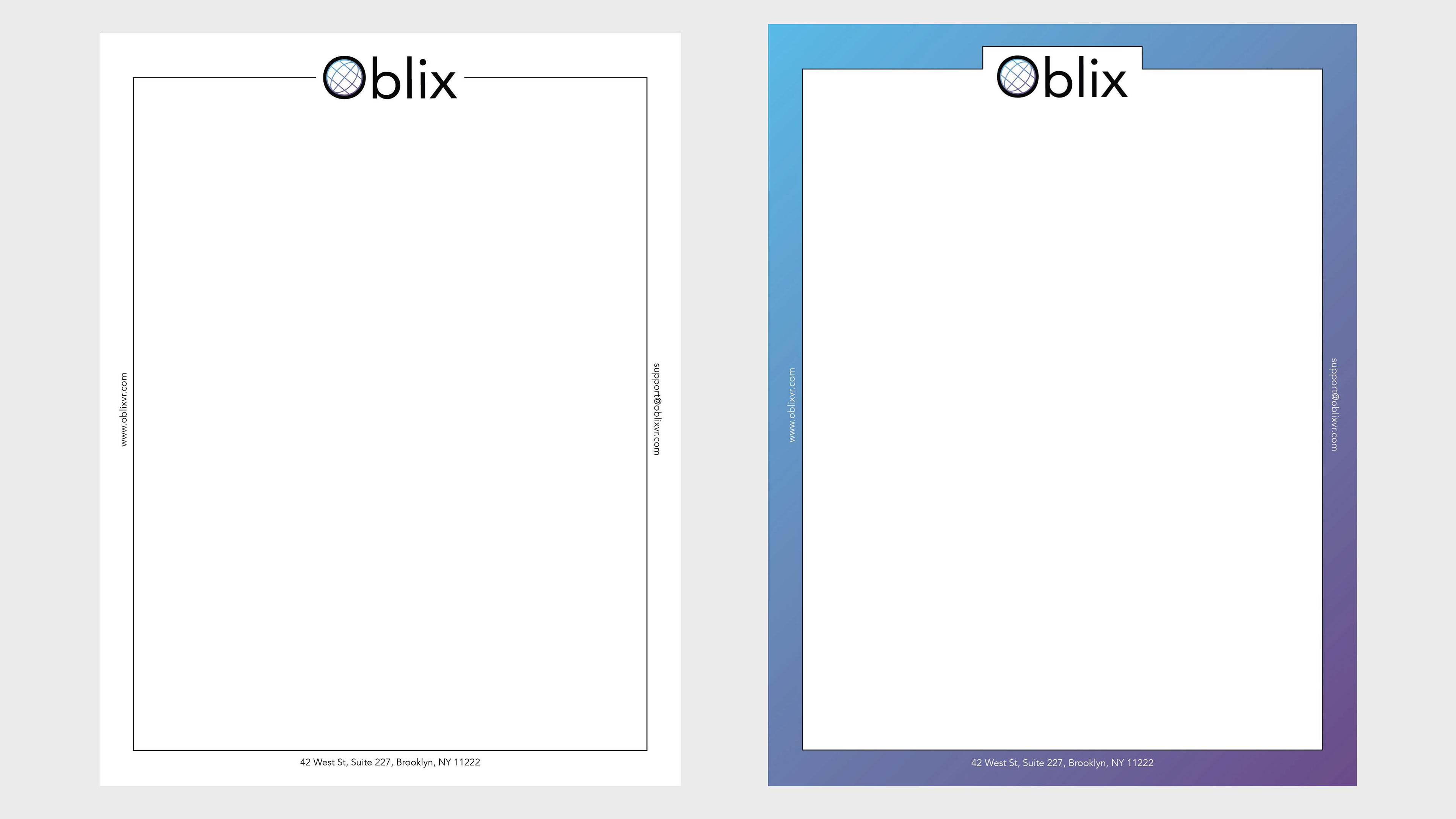
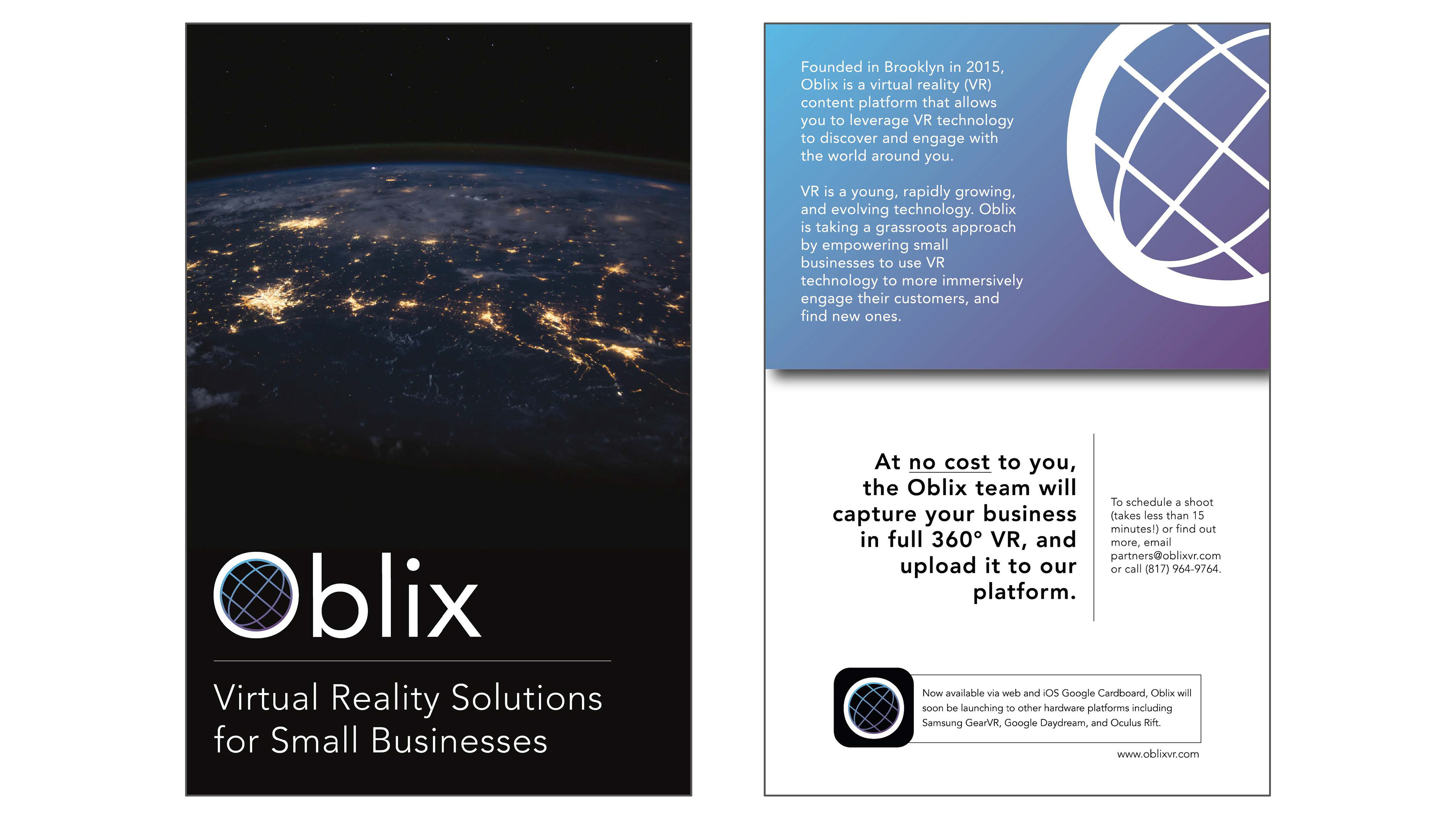
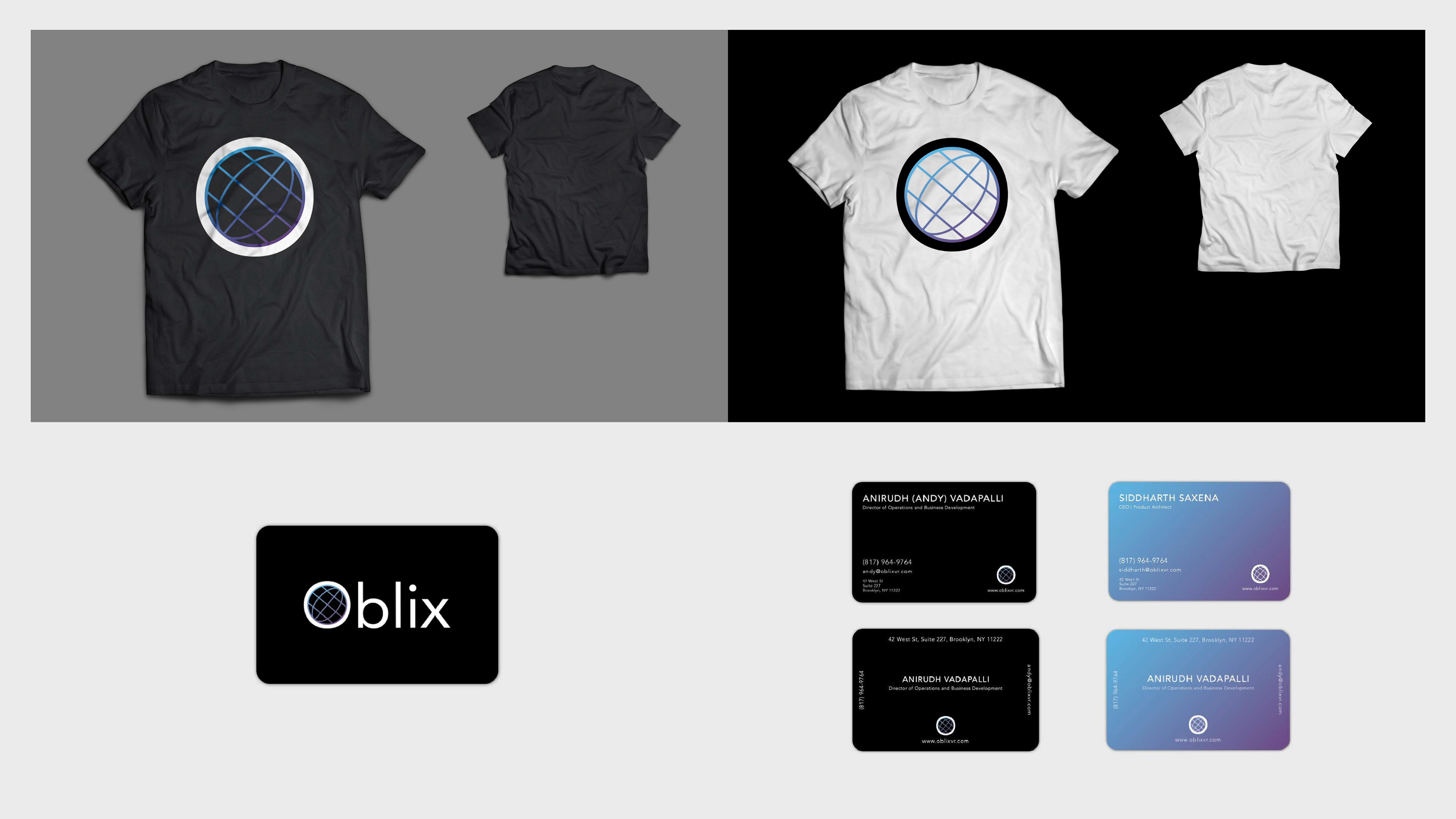
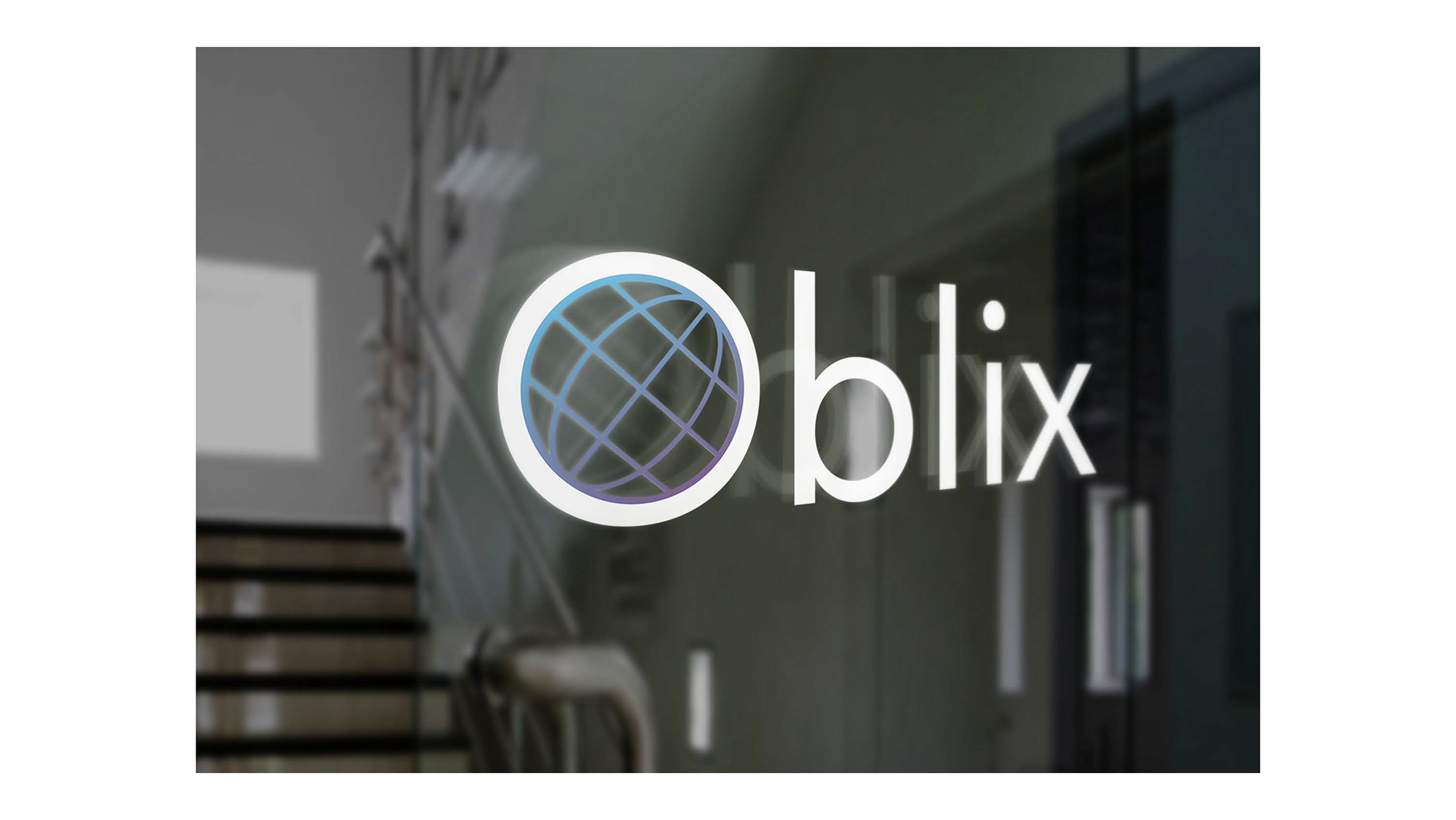
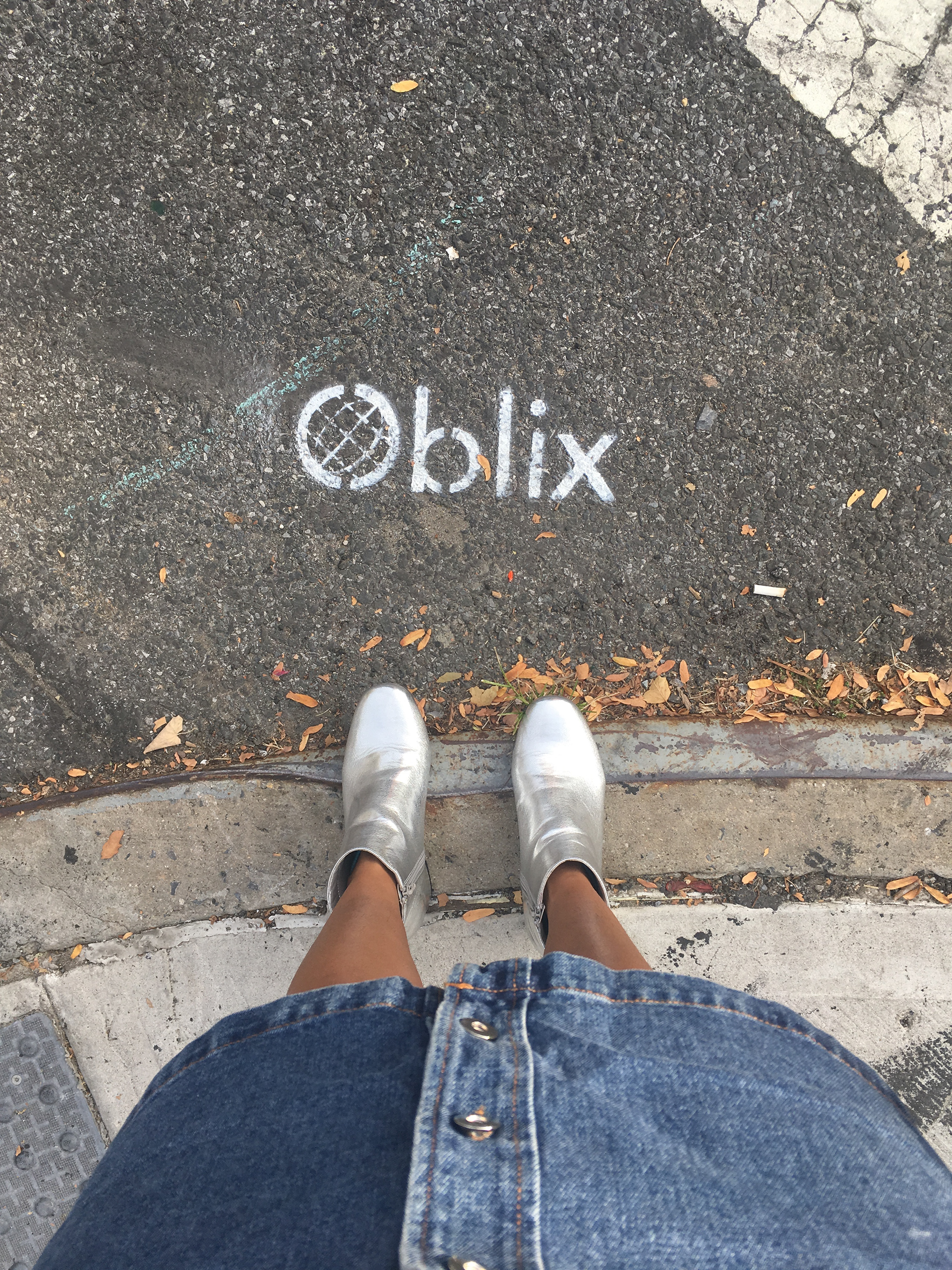
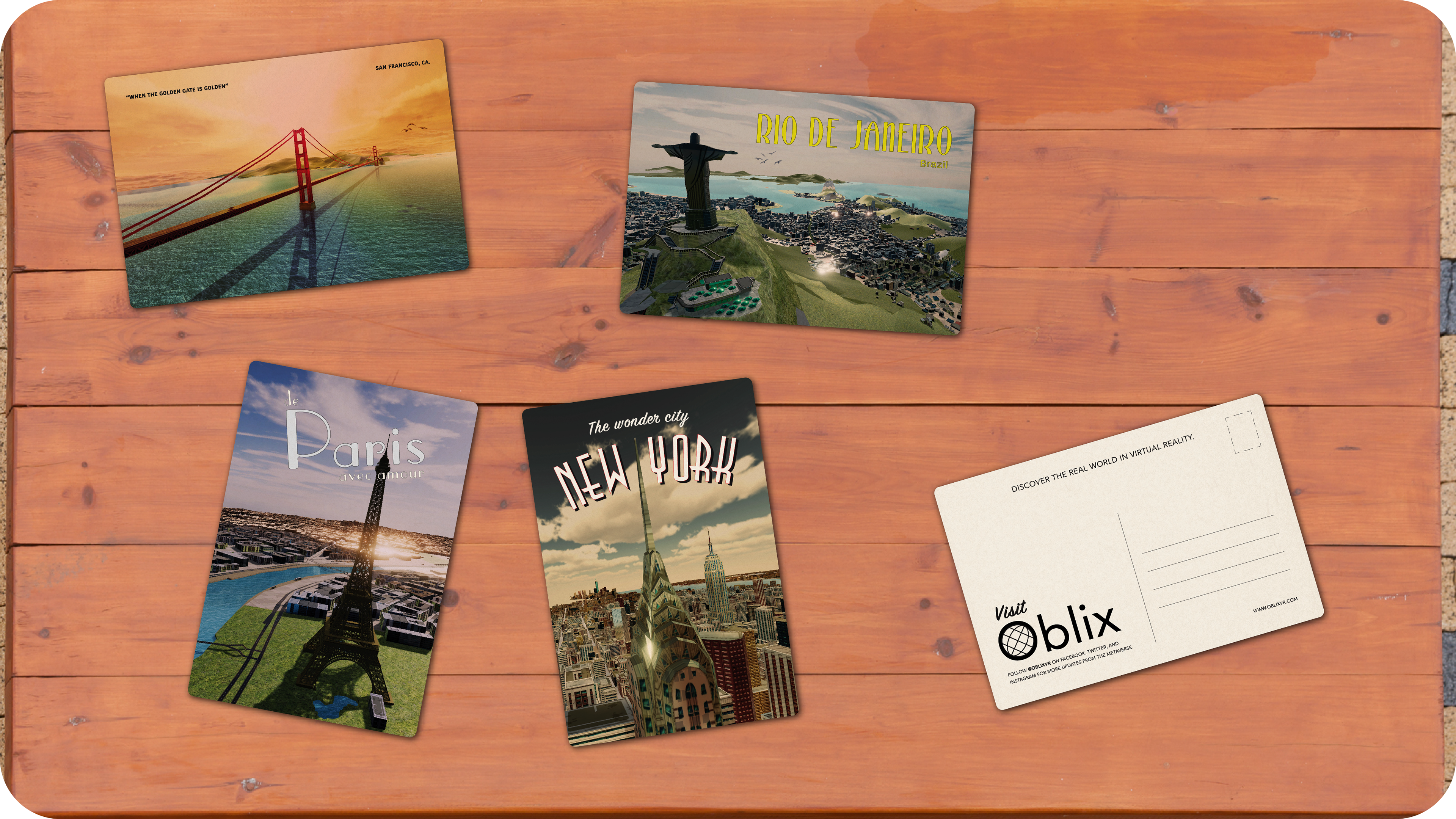
We produced various promotional materials, such as letterheads, flyers, t-shirts, business cards, stickers, banners, postcards, stencil, and window decals, to enhance its brand awareness and extend its brand reach.
4.2 Live Demos
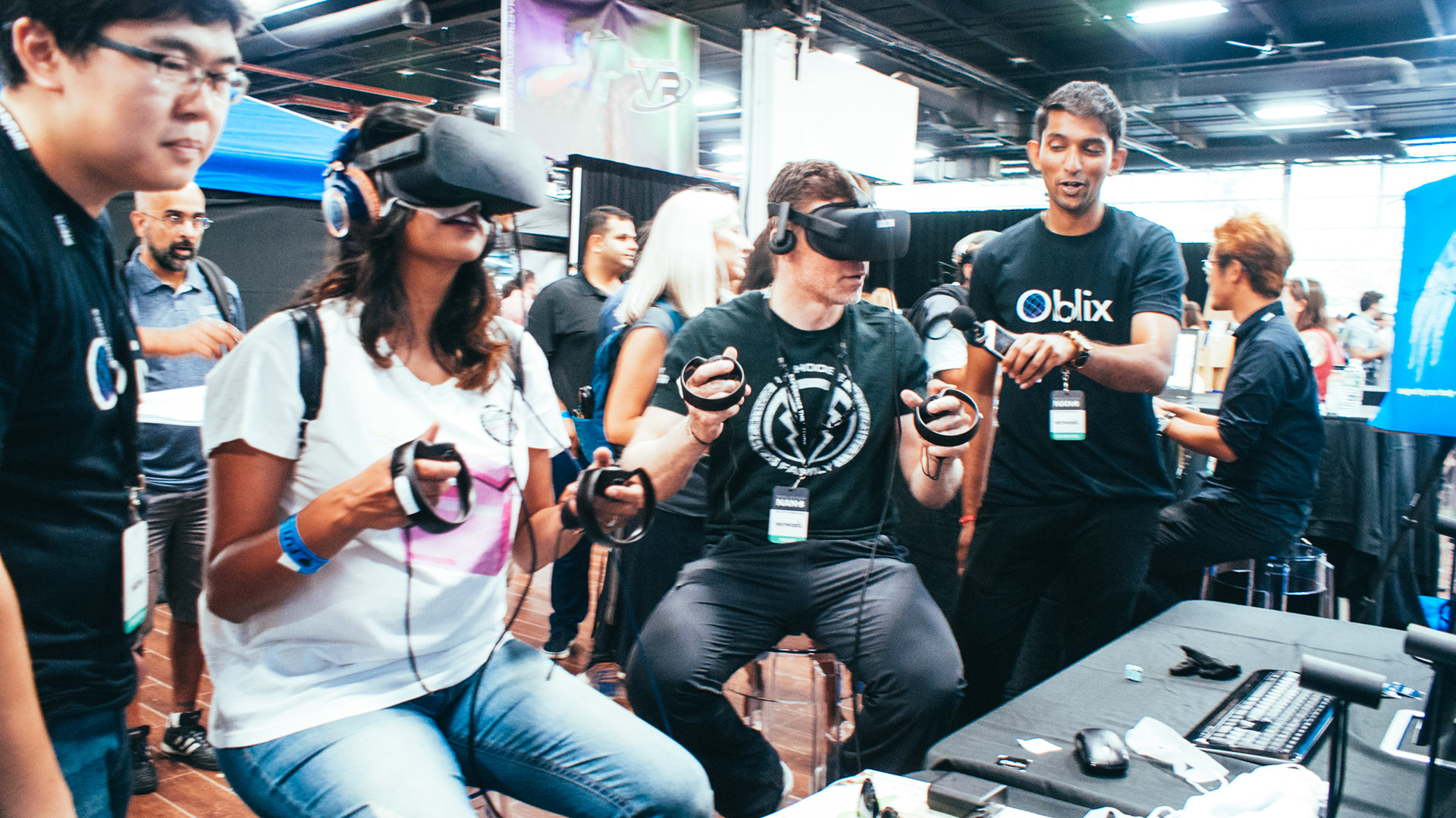
To gather valuable insights and refine the product, Oblix VR actively participated in VR conferences where they showcased the app and encouraged attendees to try it out and provide feedback. These conferences provided an opportunity to engage with the VR community, receive real-time input, and build relationships with potential users and collaborators.
________________________________________
Future development plans for Oblix VR include introducing new features, enhancing existing functionalities, and expanding partnerships with businesses and content creators. The company aims to continuously improve the user experience by incorporating user feedback and leveraging advancements in VR technology.
Additionally, Oblix VR intends to explore collaborations with museums, tourist destinations, and other organizations to offer an even wider range of virtual tours and real-world experiences within the platform. By forging strategic partnerships, Oblix VR aims to provide users with a diverse array of immersive and educational content that showcases the beauty and cultural richness of different locations.